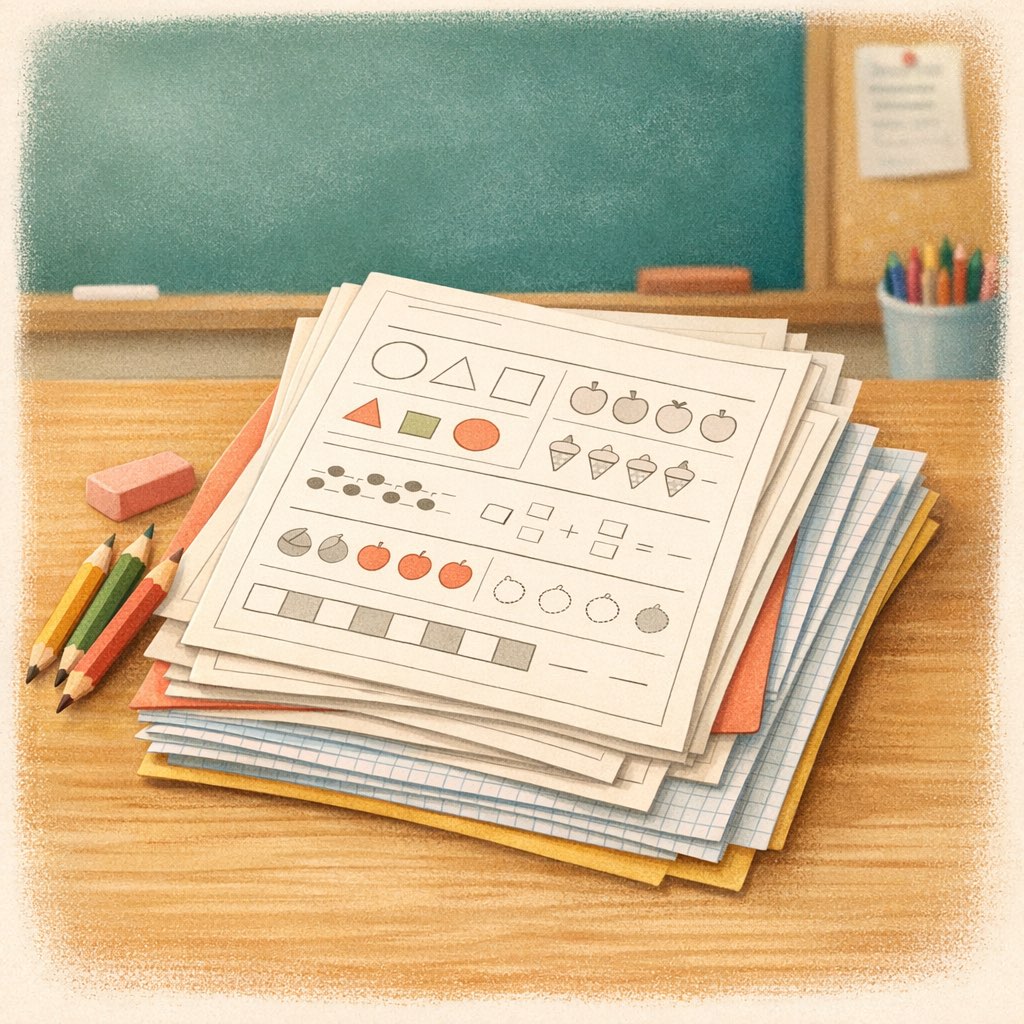
Free Math Worksheets for Beginners
A beginner-friendly collection of worksheet ideas focused on steady practice rather than overload.
Worksheets
A short daily plan that balances review, a new skill, and one confidence-building success.

A daily math practice routine works best when it is simple enough to repeat without a struggle. A good worksheet should make practice feel organized and doable, not overwhelming. That means choosing the right level, keeping the page clear, and using the results to notice what a student understands already and what still needs support.
Beginners usually need regular contact with a few key ideas more than occasional long sessions filled with too many different tasks. When practice is structured well, worksheets can build confidence instead of draining it.
If you are helping a child at home, use the examples in this guide as calm talking points rather than a script to rush through. The goal is to make the next step clear, lower pressure, and give your child language they can reuse independently.
Beginners usually need regular contact with a few key ideas more than occasional long sessions filled with too many different tasks. Worksheets work best when they focus on one clear skill at a time and provide enough repetition for patterns to appear. If a page mixes too many ideas too early, students often leave confused about what they were supposed to learn.
That is why it helps to begin with a very short goal. One page might focus on number bonds to ten, another on repeated addition, and another on reading a simple word problem. Clear focus leads to clearer feedback for both the learner and the adult guiding practice.
A strong routine often includes a quick warm-up, one focused skill, one small challenge question, and a calm review at the end. A strong layout usually begins with two or three accessible questions, then moves into the main practice set, and ends with one question that asks the learner to explain or apply the skill in a slightly new way.
For a beginner, that might mean two number-bond questions, four addition facts, one picture problem, and one short check together with an adult. Pages become more useful when they include enough space to think, write, or draw. A crowded page can make even simple work feel stressful, especially for younger learners.
Keep the routine predictable. Familiar structure helps students spend energy on the math instead of wondering what comes next.
Five to ten minutes per day is enough for many beginners, especially when the same habits are repeated consistently. In many homes and classrooms, the best routine is short. One worksheet or even half a worksheet can be enough if the student is really paying attention and getting useful feedback.
This approach turns a worksheet into a teaching tool instead of a pile of questions. It also helps adults notice whether the problem is accuracy, misunderstanding, reading load, or simply fatigue.
A common problem is turning daily practice into a mini test. When every session feels high-pressure, students start to resist even helpful review. Another common issue is using worksheets only as a test. Students gain more when worksheets are treated as guided practice first and evaluation second.
If the learner finishes a page with two or three errors, that is useful information. It tells you which example to reteach or which pattern to revisit next time. The worksheet has done its job when it reveals the next teaching step.
A worksheet becomes much more valuable when it is treated as feedback instead of only as a finished product. After a student completes the page, pause before moving on. Look for patterns. Did the learner miss the same kind of question several times? Were the errors caused by reading, place value, rushing, or not understanding the concept? That short review is often more useful than assigning another full page right away.
It also helps to separate careless mistakes from gaps in understanding. If the student knew what to do but copied one number incorrectly, the next step is different from the case where the whole method was unclear. Good practice becomes much more efficient when adults choose the next task based on the actual pattern in the work instead of guessing.
You do not need a long correction session. Pick two or three representative questions and talk through them carefully. Ask what the learner noticed, where the thinking changed, and which question felt easiest. That kind of brief reflection helps students become active participants in their own improvement.
Used this way, a worksheet is no longer just a page to complete. It becomes a small map that shows where the learner is steady and where the next teaching move should begin.
That is especially helpful for beginners. Instead of feeling buried under another sheet, they can see that each page has a purpose: notice one skill, strengthen it, and make the next round of practice a little clearer.
The strongest routines feel steady, clear, and possible to maintain on ordinary days. For related support, read Free Math Worksheets for Beginners, Printable Multiplication Practice Sheets, and How to Improve Mental Math Skills Daily.
A beginner-friendly collection of worksheet ideas focused on steady practice rather than overload.
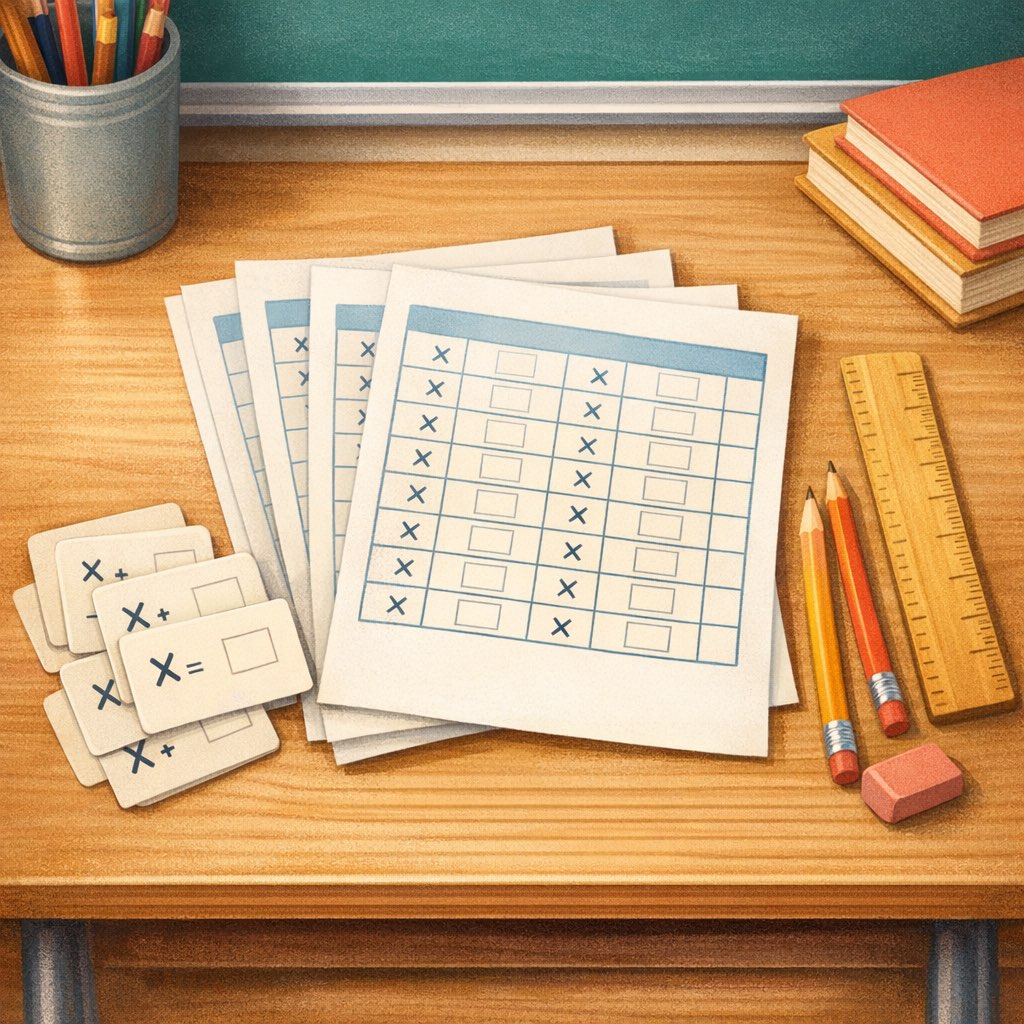
Use targeted practice sheets to revisit multiplication facts, patterns, and mixed recall.
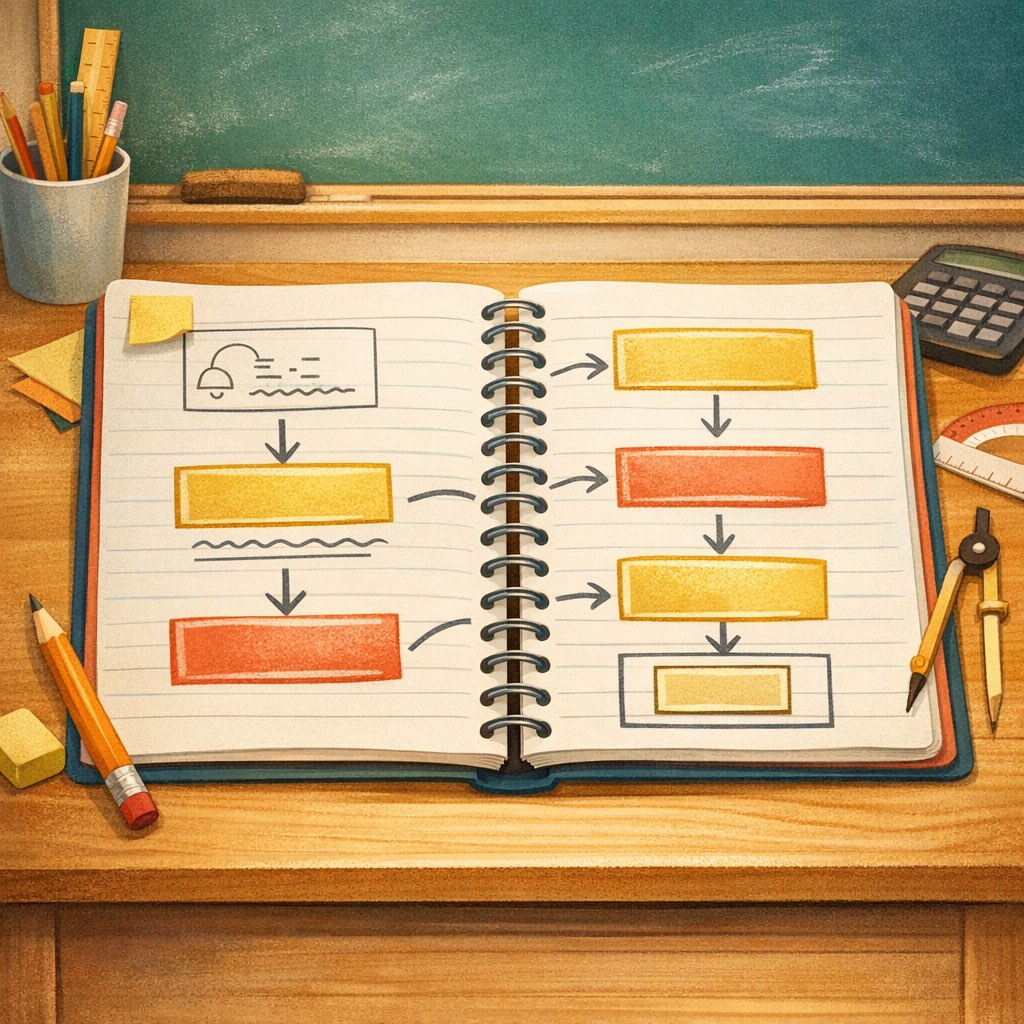
A calm problem-solving routine for reading carefully, planning a method, and checking your work properly.