Featured Guide

A strong place to begin if multiplication facts still feel shaky at home.

All Articles

Browse the full article archive by topic, skill, and homework need.

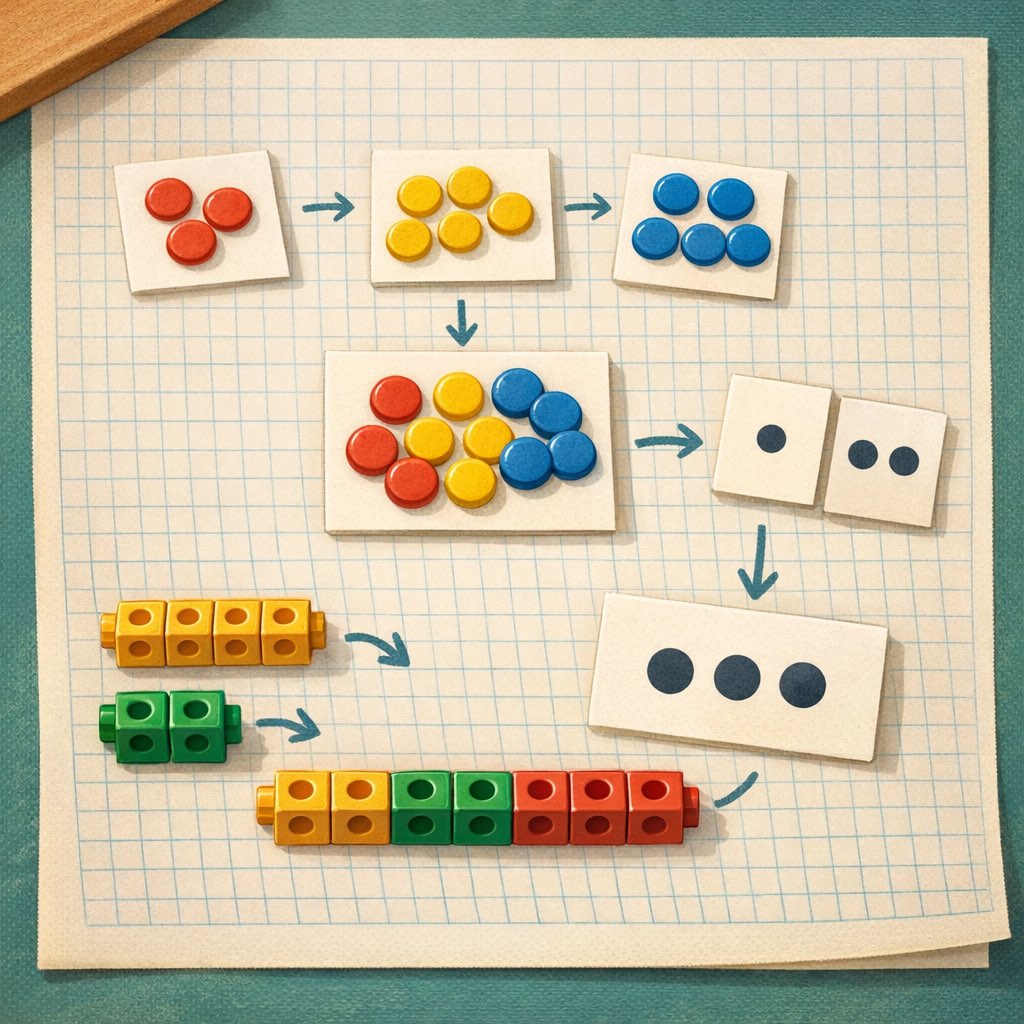
Colorful counting counters and number cards grouped together on graph paper to explain addition.
Basic Math · Article

What Is Addition? Simple Explanation for Beginners

Understand addition as putting groups together, spotting patterns, and building early number confidence.

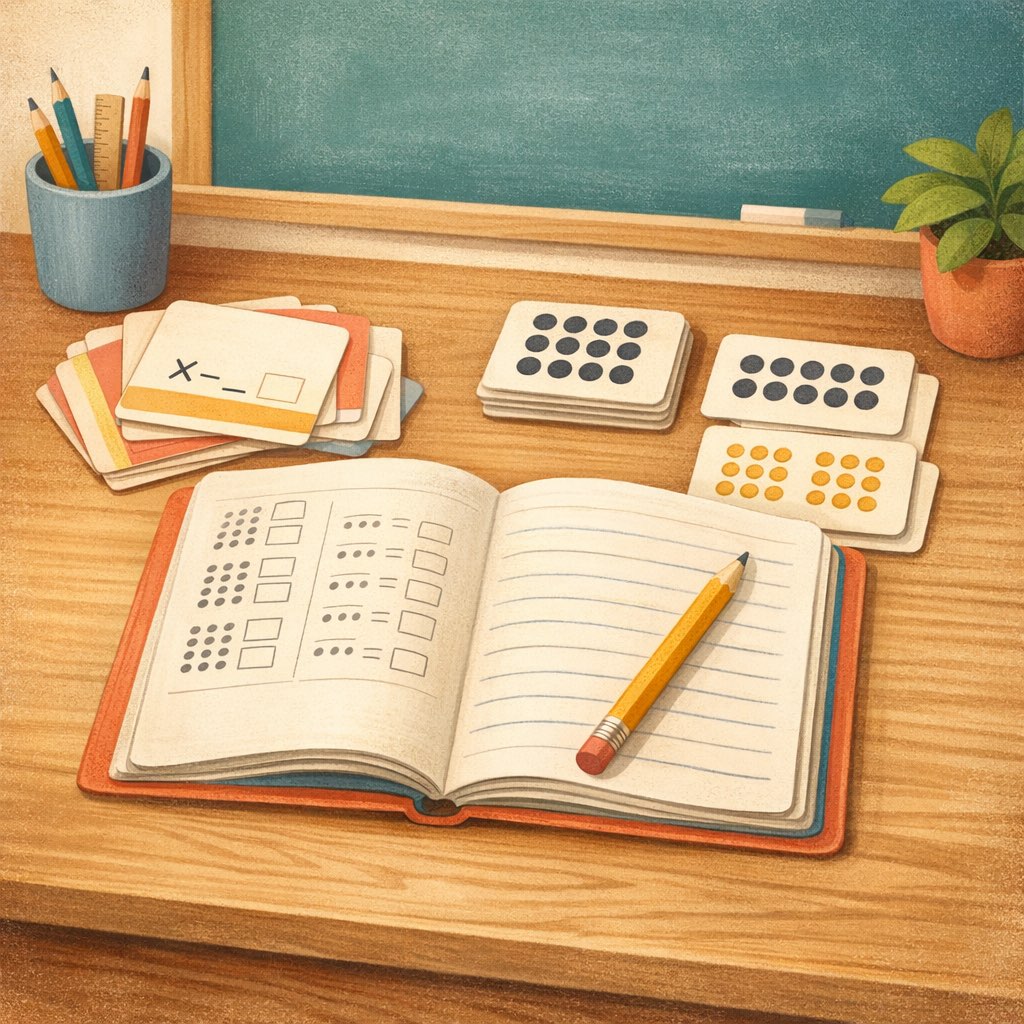
Multiplication flashcards, a practice notebook, and grouped dots arranged in a calm study routine.
Basic Math · Featured Article

How to Learn Multiplication Tables Fast

Use patterns, small review cycles, and smart practice routines to remember multiplication facts with less stress.
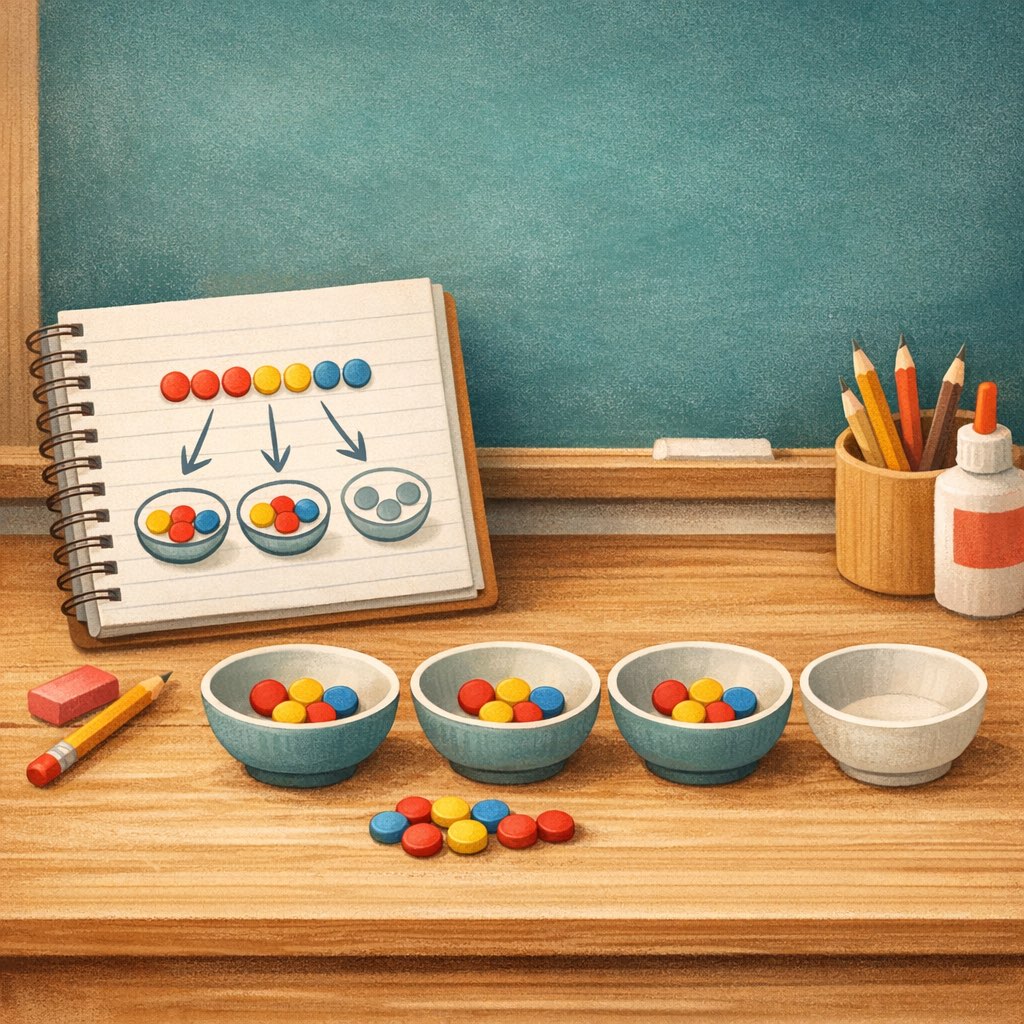
Counters being shared into equal bowls beside a neat notebook to show division.
Basic Math · Article

Division Explained Step by Step

Break division into equal groups, repeated subtraction, and long division steps that actually make sense.
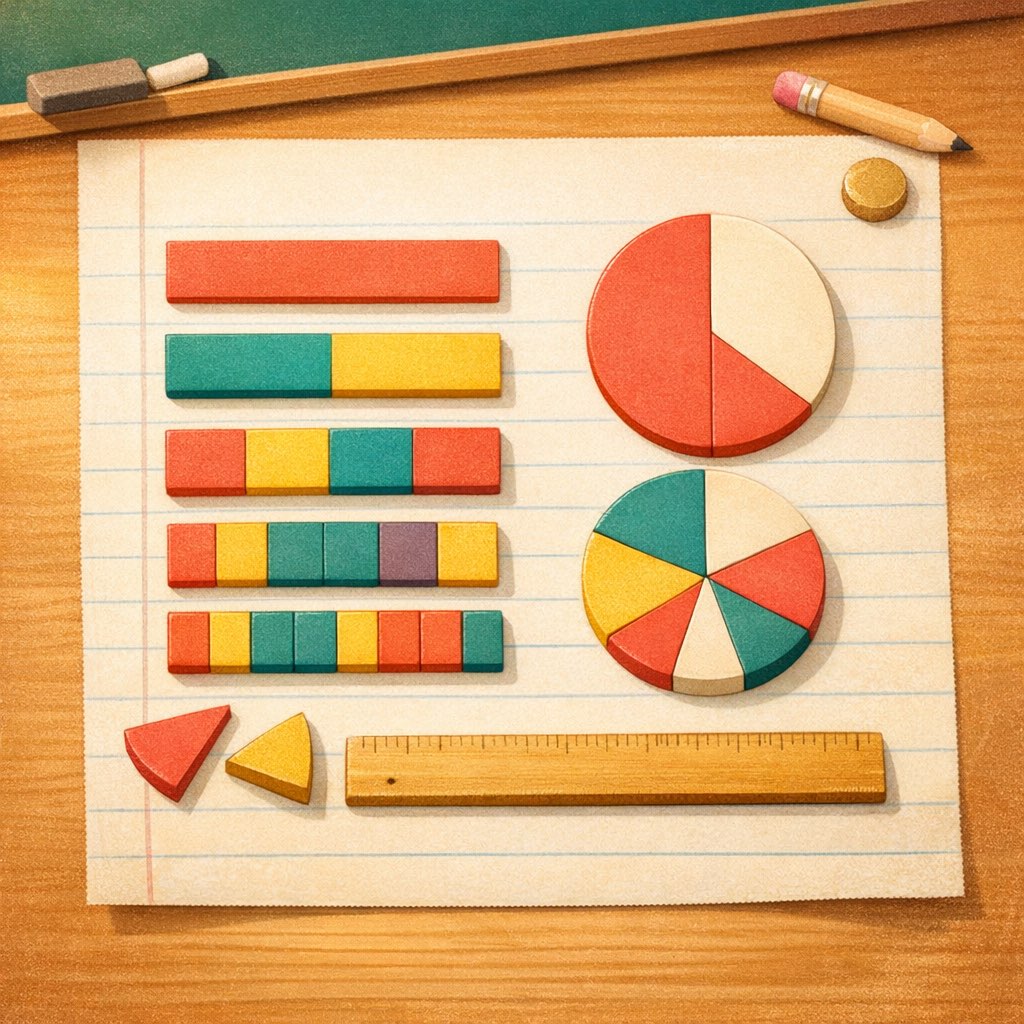
Fraction strips, pie pieces, and a ruler laid out on warm classroom paper.
Basic Math · Article

Fractions Made Easy for Beginners

A simple starting point for understanding parts of a whole, equivalent fractions, and everyday examples.
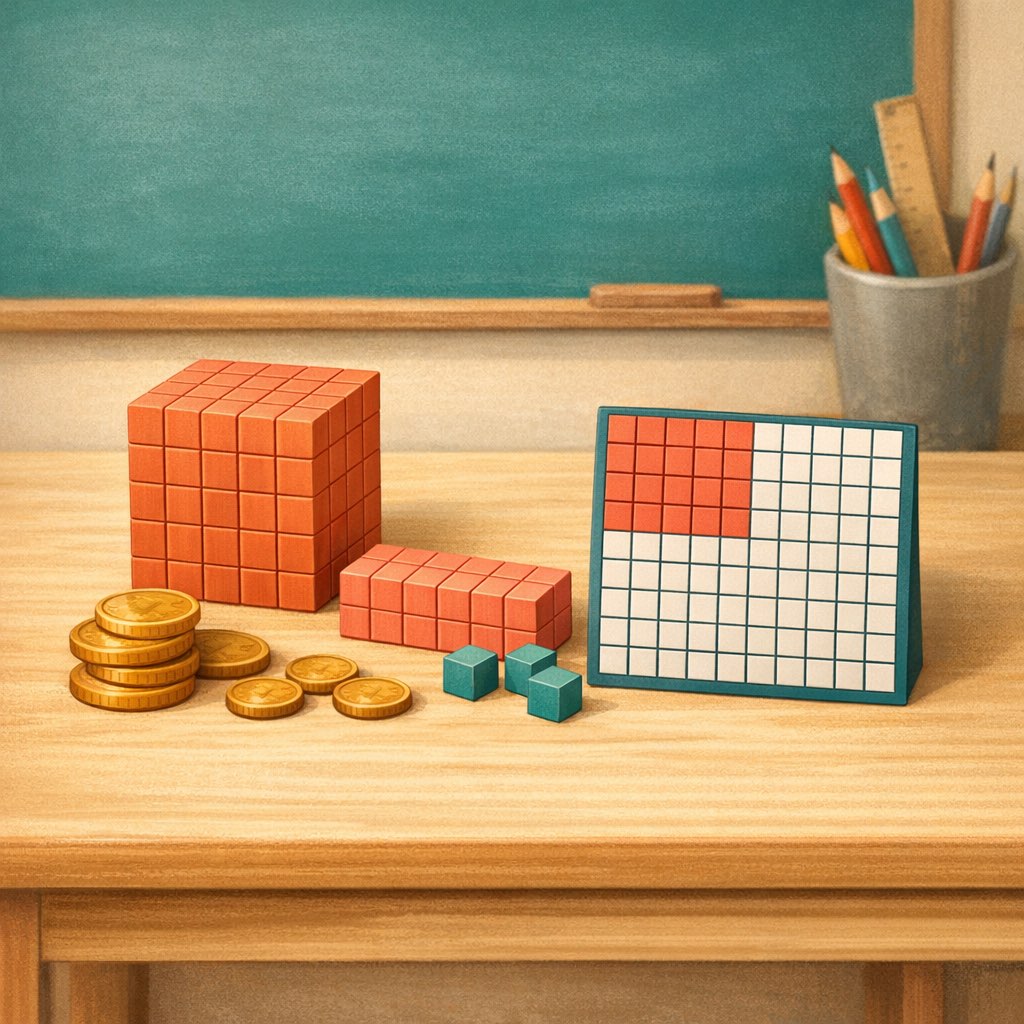
Coins, place value blocks, and a decimal grid arranged on a student desk.
Basic Math · Article

What Are Decimals? Easy Explanation

Learn what decimals mean, how place value works, and why decimals appear so often in real life.
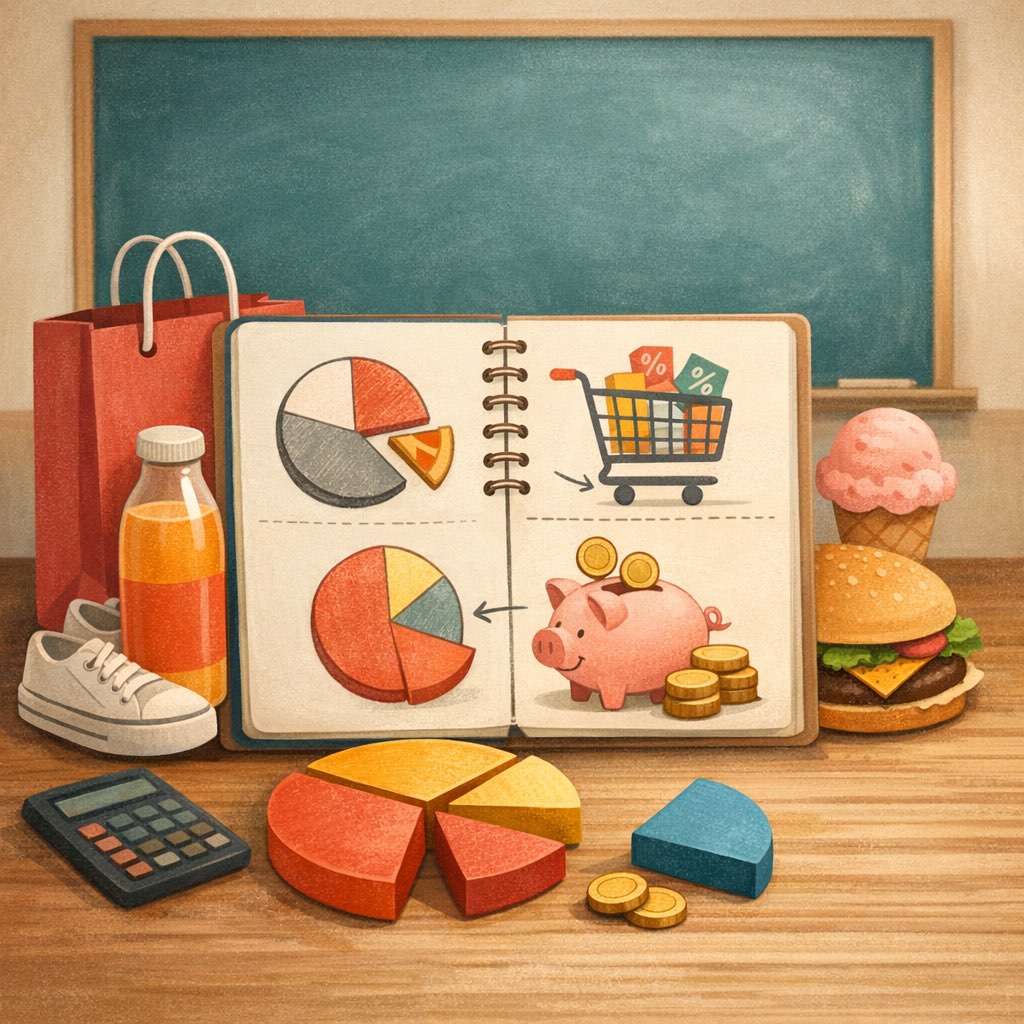
Shopping tags, pie chart pieces, and a notebook used to explain percentages in daily life.
Basic Math · Article

Percentages Explained with Real-Life Examples

See how percentages connect to money, discounts, test scores, and familiar everyday situations.
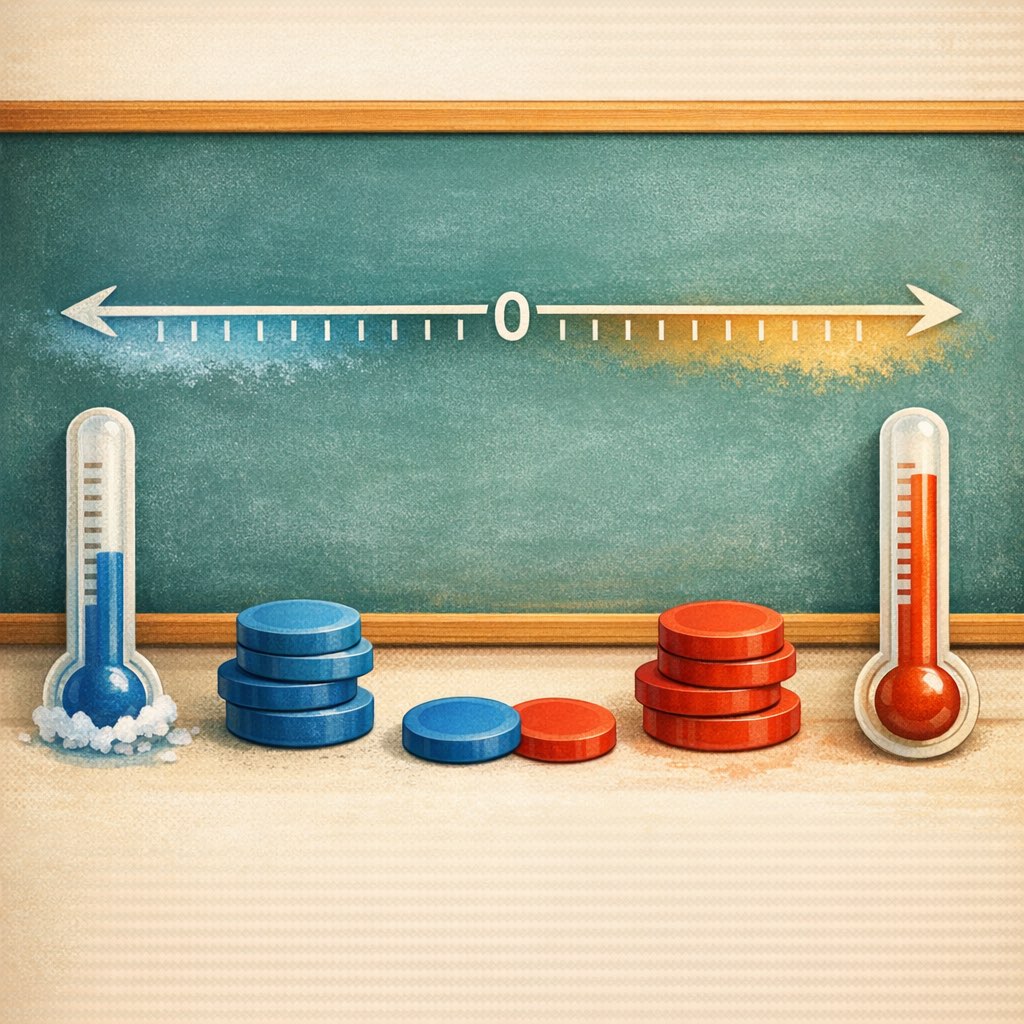
A number line with below-zero markers, thermometers, and colored chips for negative numbers.
Basic Math · Article

Negative Numbers Explained Simply

Make sense of numbers below zero with temperature, movement, and number-line examples.
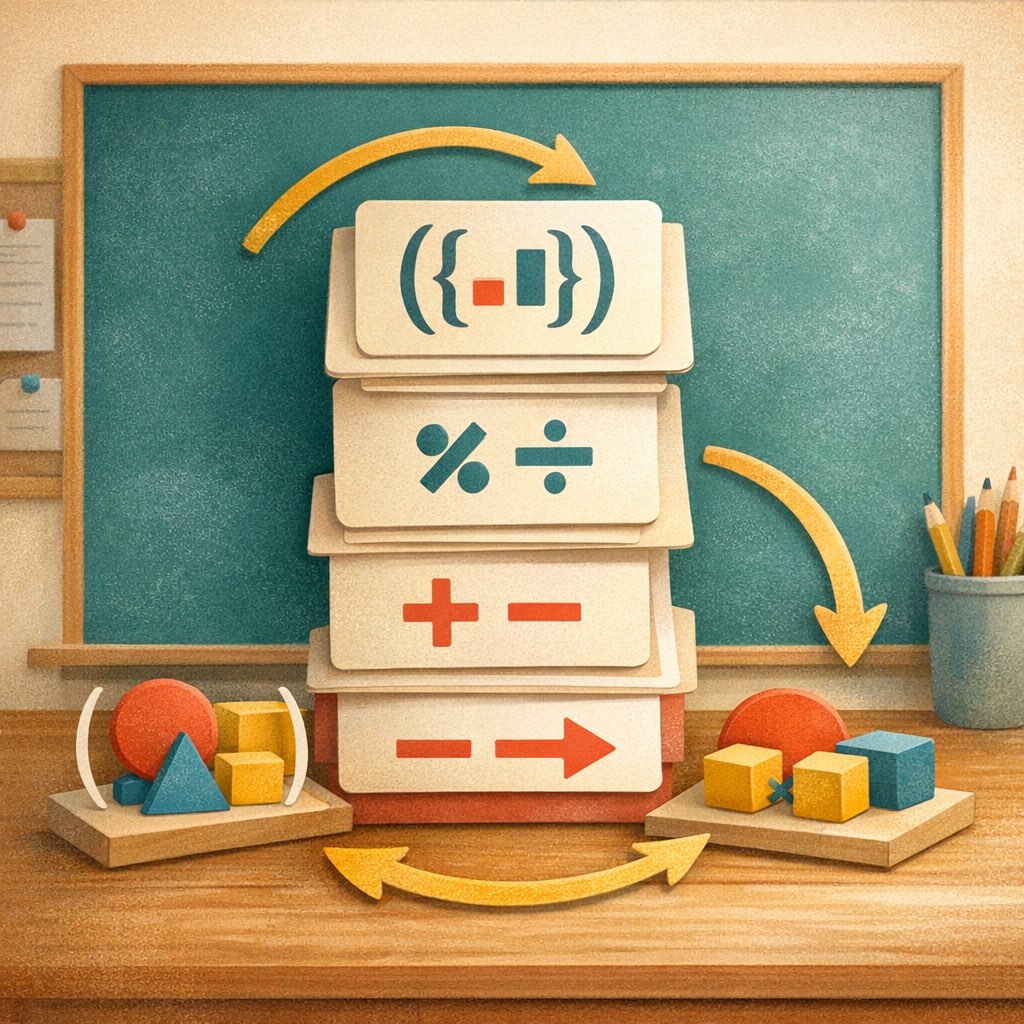
Nested math cards, brackets, and step arrows arranged to show the order of operations.
Basic Math · Article

Order of Operations Explained Clearly

Learn why the order of operations matters and how to avoid common mistakes in mixed calculations.
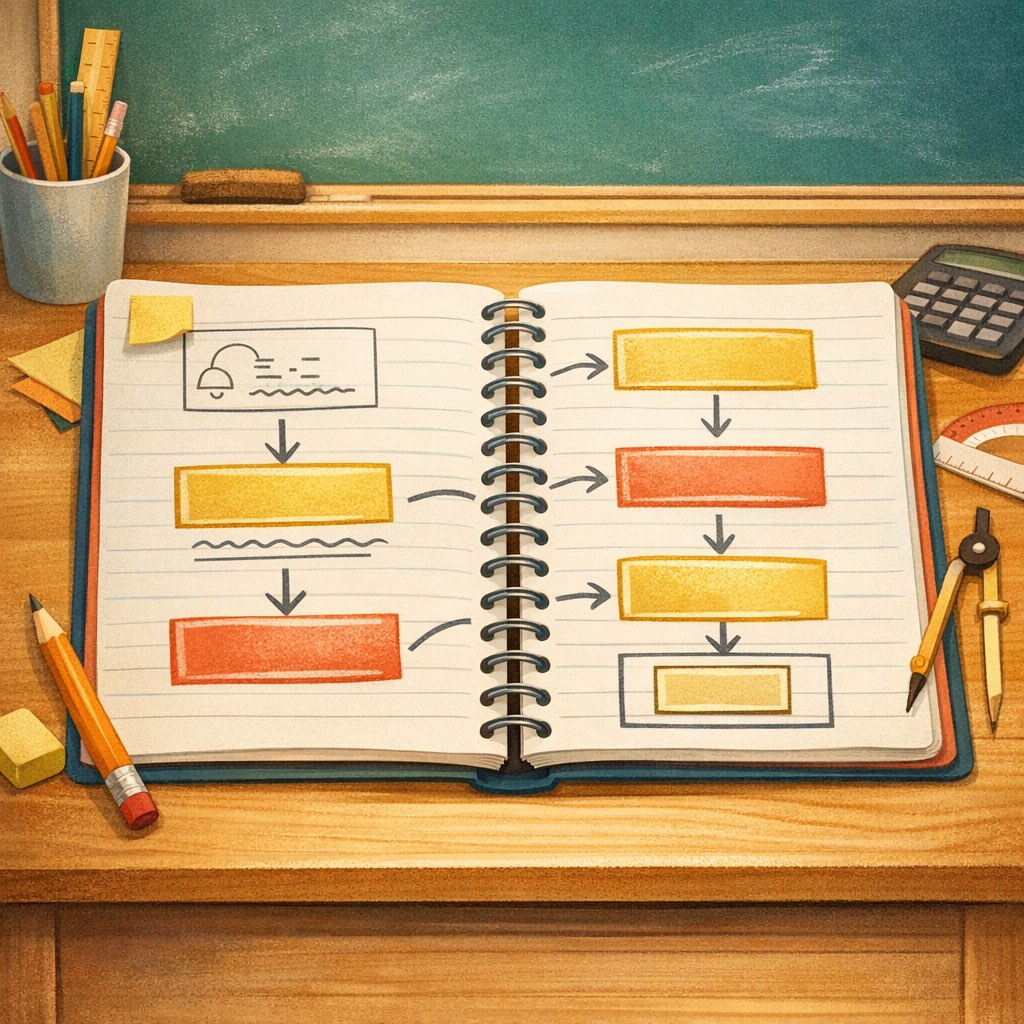
A math notebook with arrows, highlighted steps, and a clear problem-solving flow.
Problem Solving · Featured Article

How to Solve Math Problems Step by Step

A calm problem-solving routine for reading carefully, planning a method, and checking your work properly.
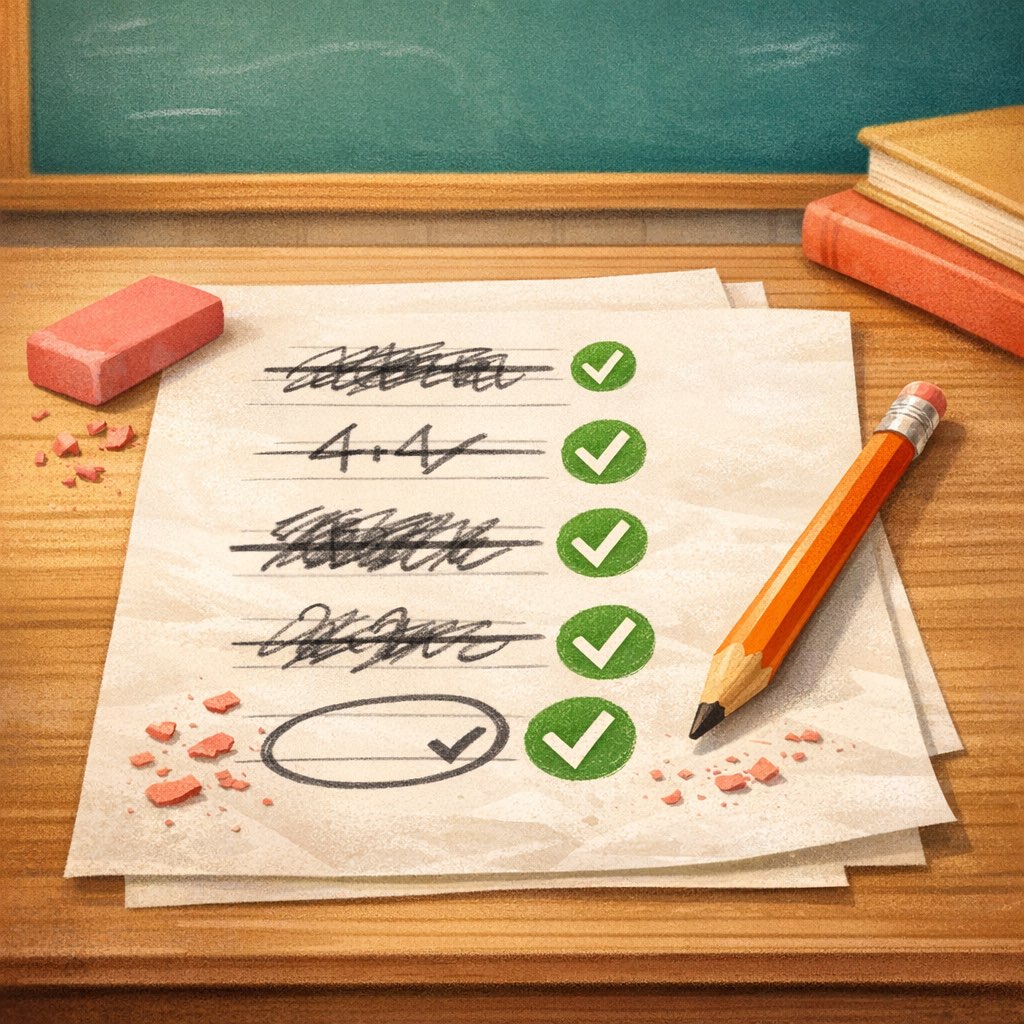
An erased math page with corrected steps, check marks, and a pencil showing revision.
Problem Solving · Article

Common Mistakes in Math and How to Avoid Them

Notice the error patterns students repeat most often and learn simple habits that prevent them.
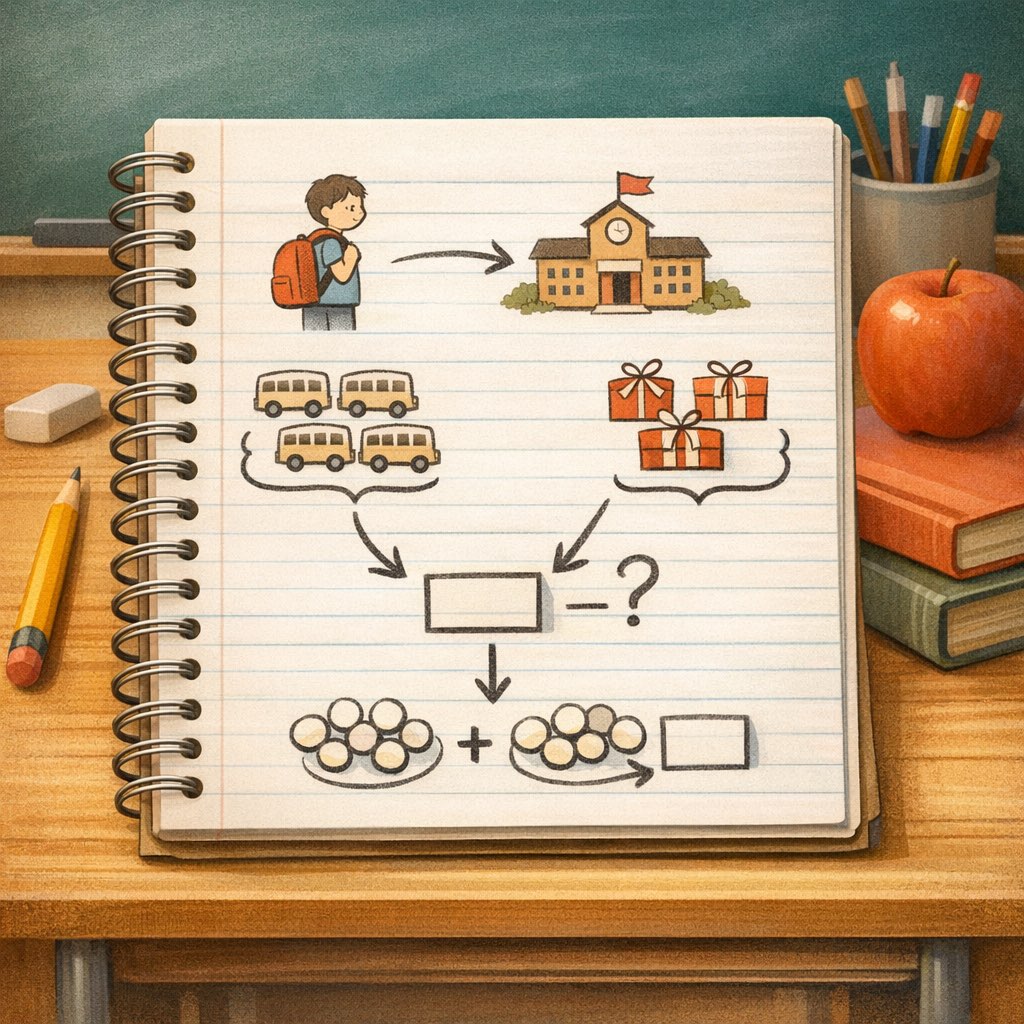
A student notebook with a short story problem, sketches, and grouped quantities for planning.
Problem Solving · Article

Word Problems Explained in a Simple Way

Turn word problems into manageable steps by identifying relationships, quantities, and useful models.
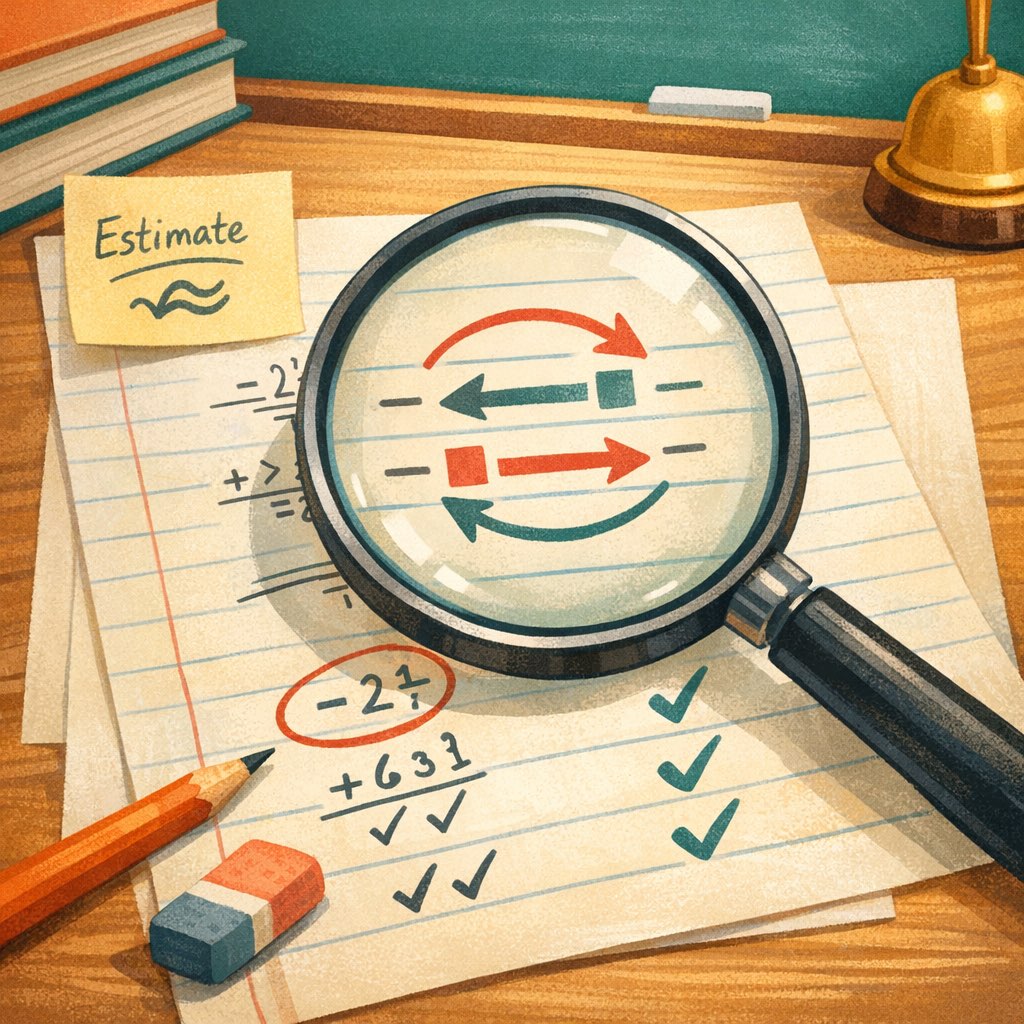
A magnifying glass over worked math steps with estimate notes and inverse arrows.
Problem Solving · Article

How to Check Your Math Answers

Use estimation, inverse operations, and quick logic checks to catch mistakes before you move on.
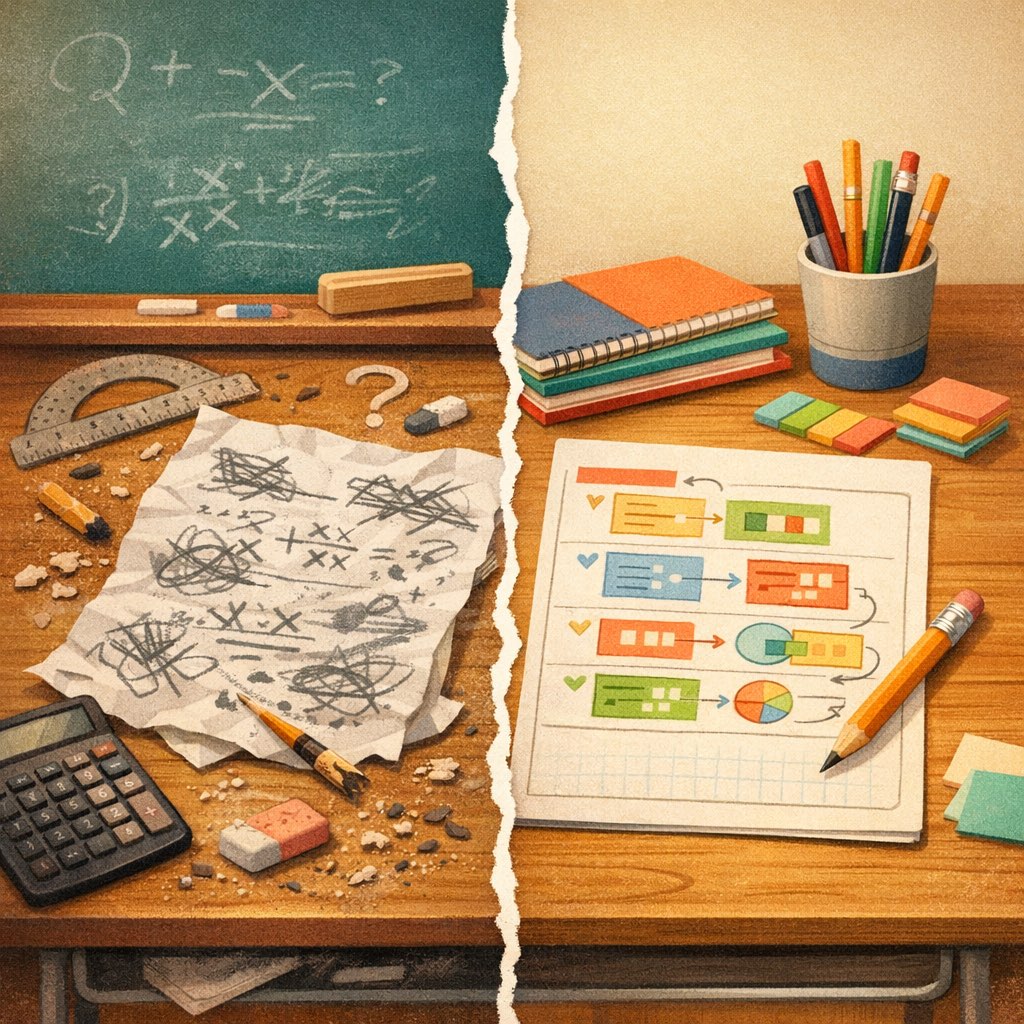
A cluttered worksheet becoming organized with color-coded steps and calm study tools.
Problem Solving · Article

Why Students Struggle With Math

A practical look at confusion, speed pressure, weak foundations, and how better explanations can help.
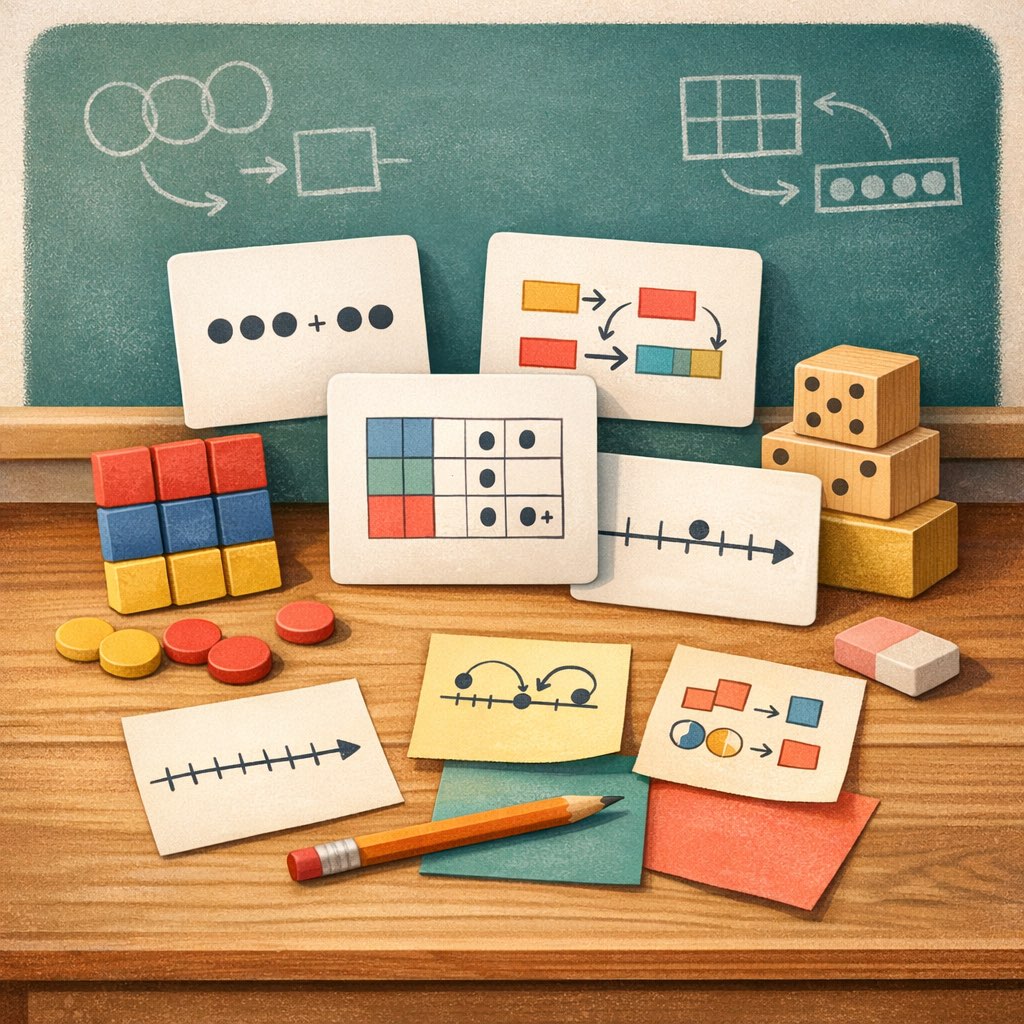
Number cards, quick calculation notes, and pattern tiles arranged for flexible mental math practice.
Mental Math · Featured Article

Mental Math Tricks Everyone Should Know

Improve speed and number sense with flexible mental strategies that work in school and everyday life.
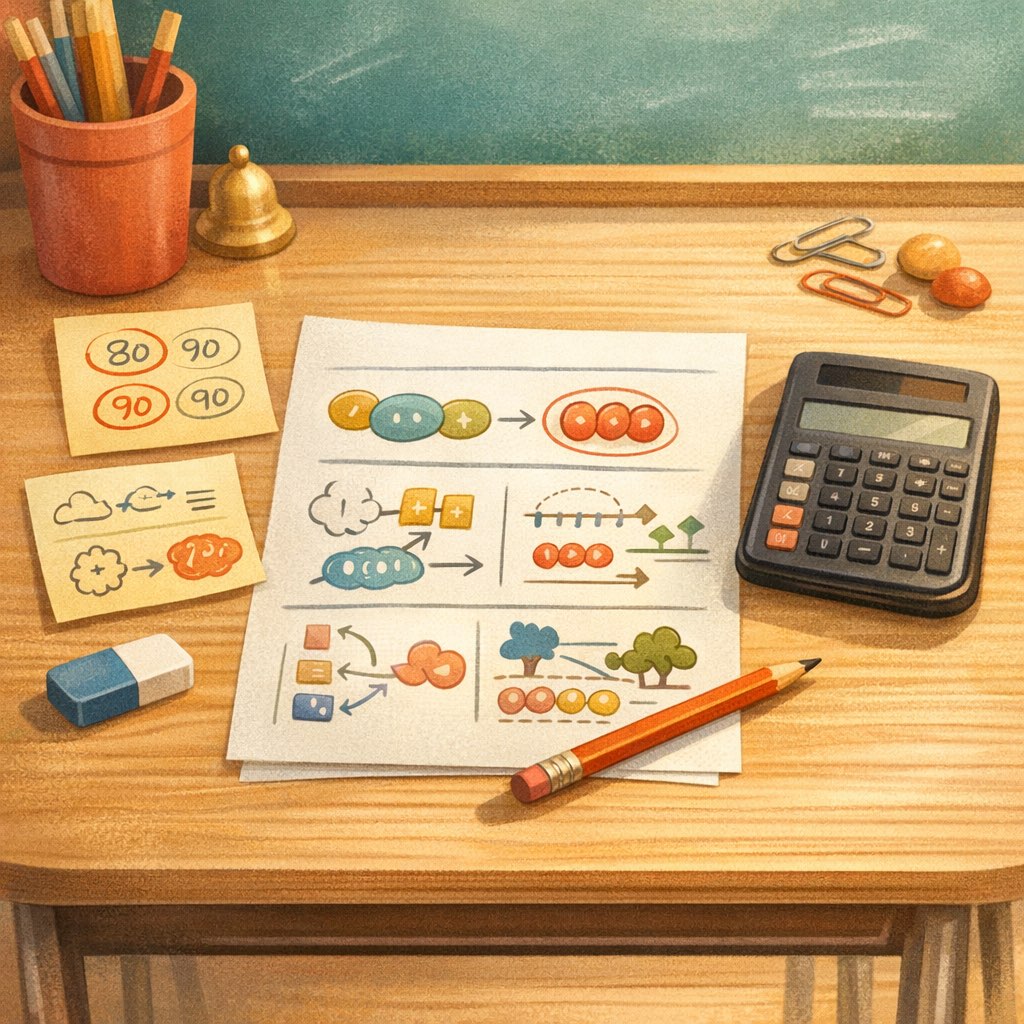
A student desk with rounded numbers, quick estimates, and a closed calculator kept aside.
Mental Math · Article

How to Calculate Faster Without a Calculator

Use place value, rounding, and estimation to make quick calculations feel more manageable.
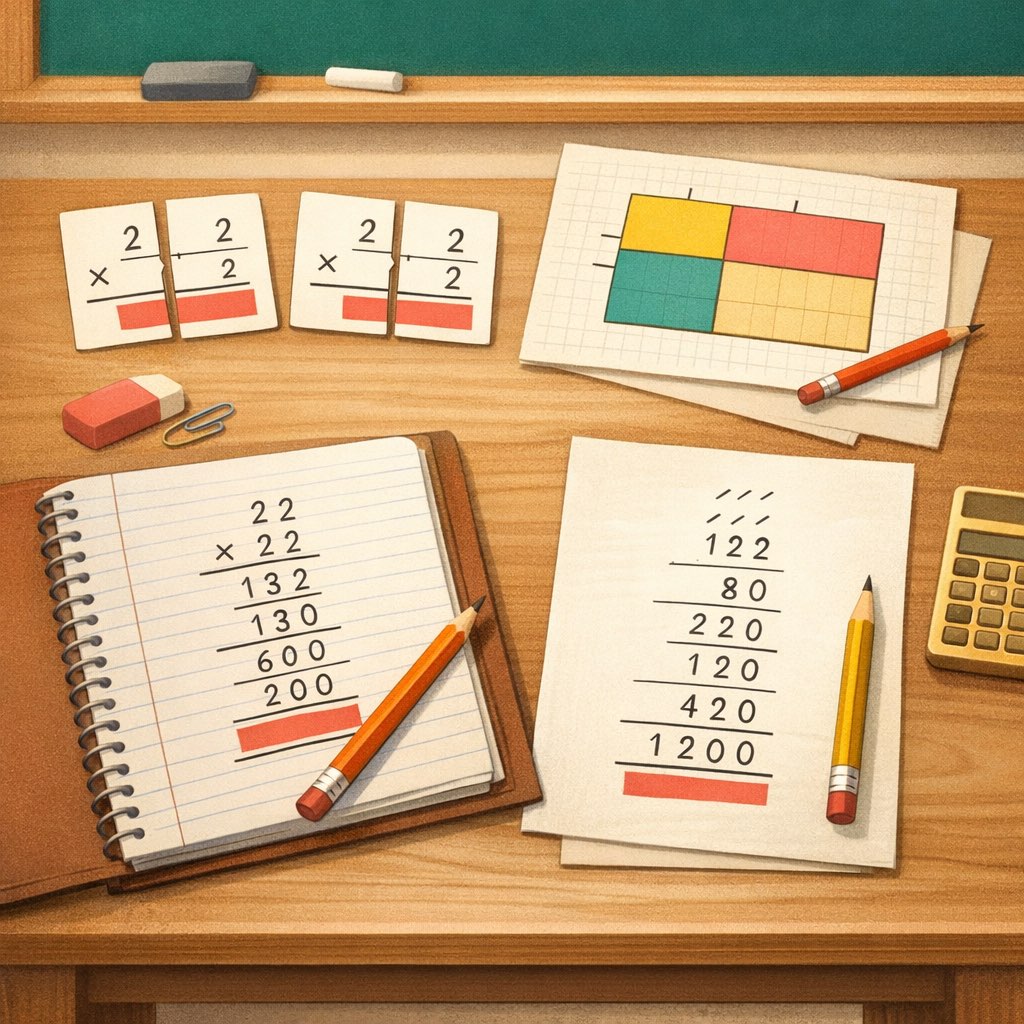
Split multiplication cards, area models, and neat worked examples for larger numbers.
Mental Math · Article

Easy Tricks for Multiplying Large Numbers

Learn chunking, doubling and halving, and near-ten strategies for bigger multiplication questions.
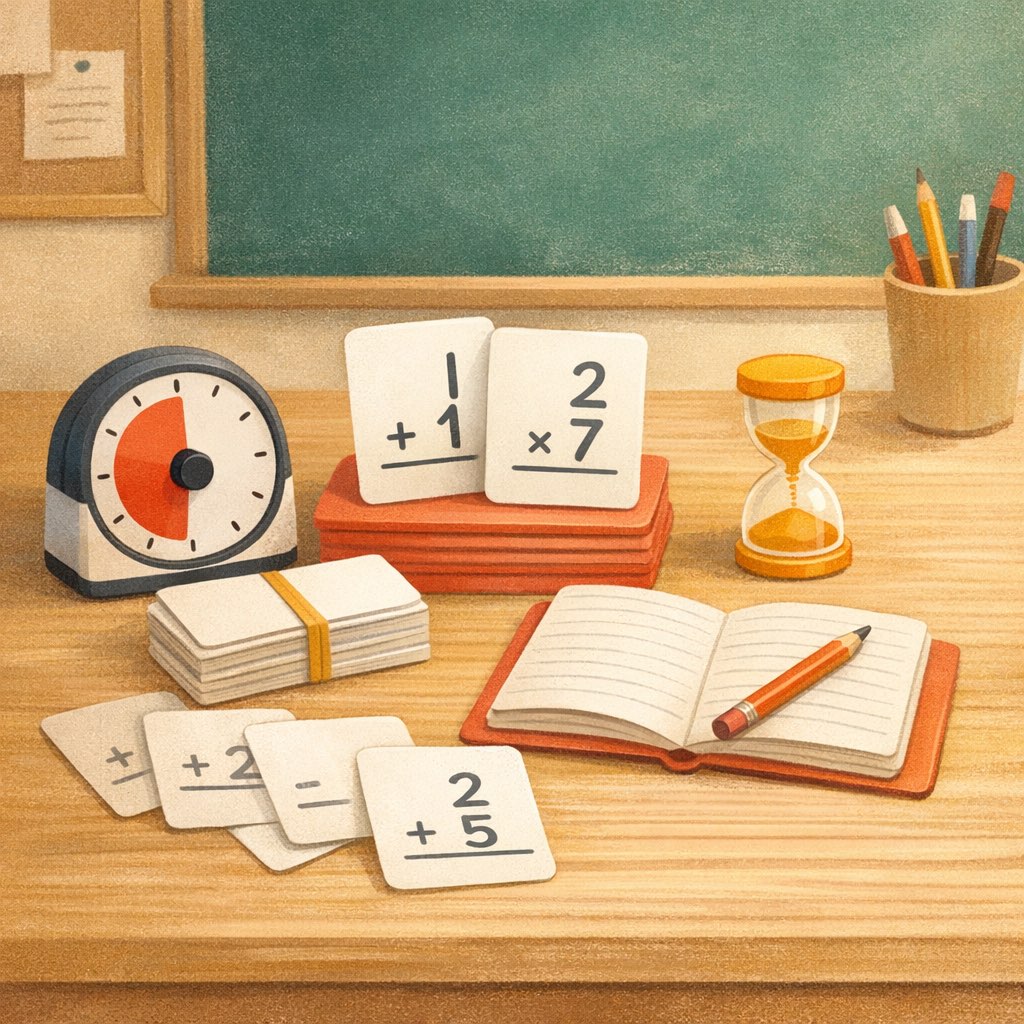
A five-minute math practice setup with flashcards, a timer, and a small notebook.
Mental Math · Article

How to Improve Mental Math Skills Daily

Build a short daily routine that strengthens recall, estimation, and flexible thinking over time.
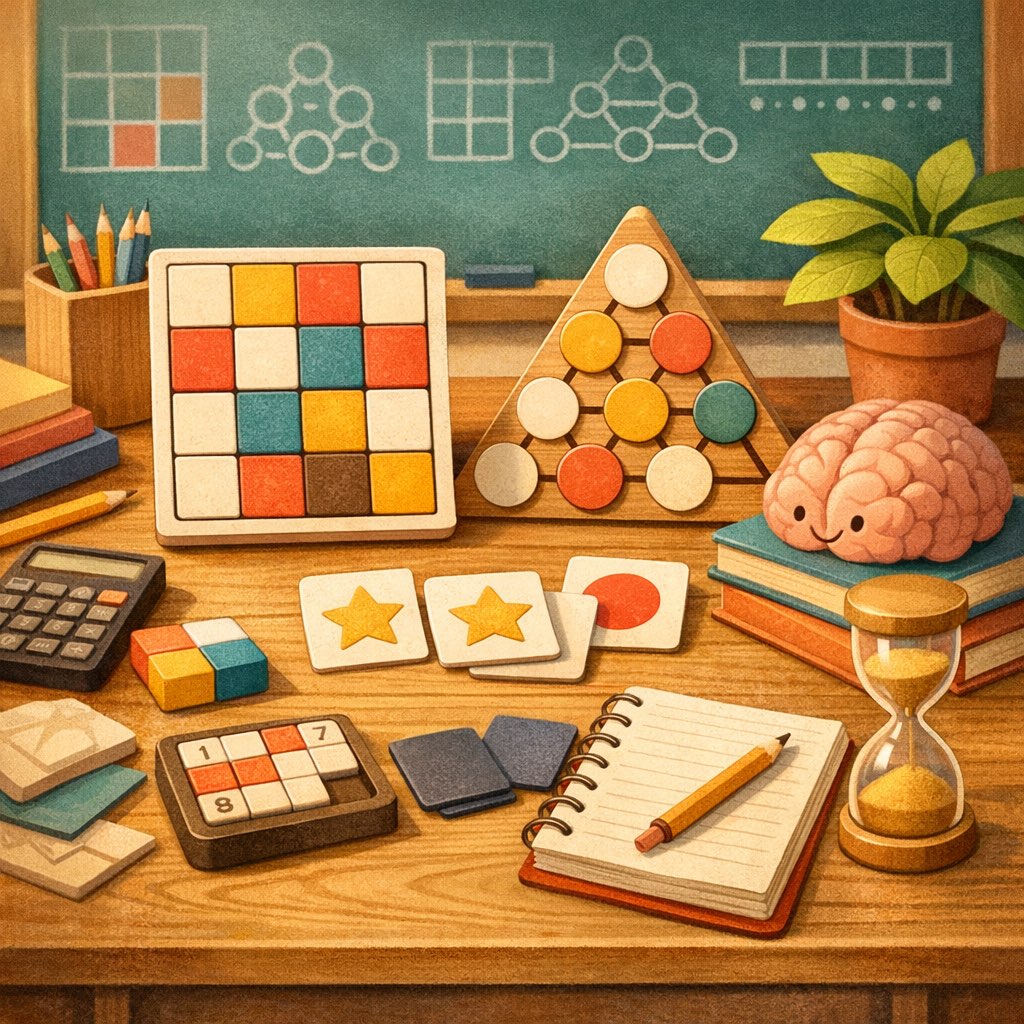
Puzzle tiles, number patterns, and memory cards used for brain training in math.
Mental Math · Article

Best Exercises for Brain Training in Math

Try short number exercises that sharpen attention, memory, and confidence during practice.
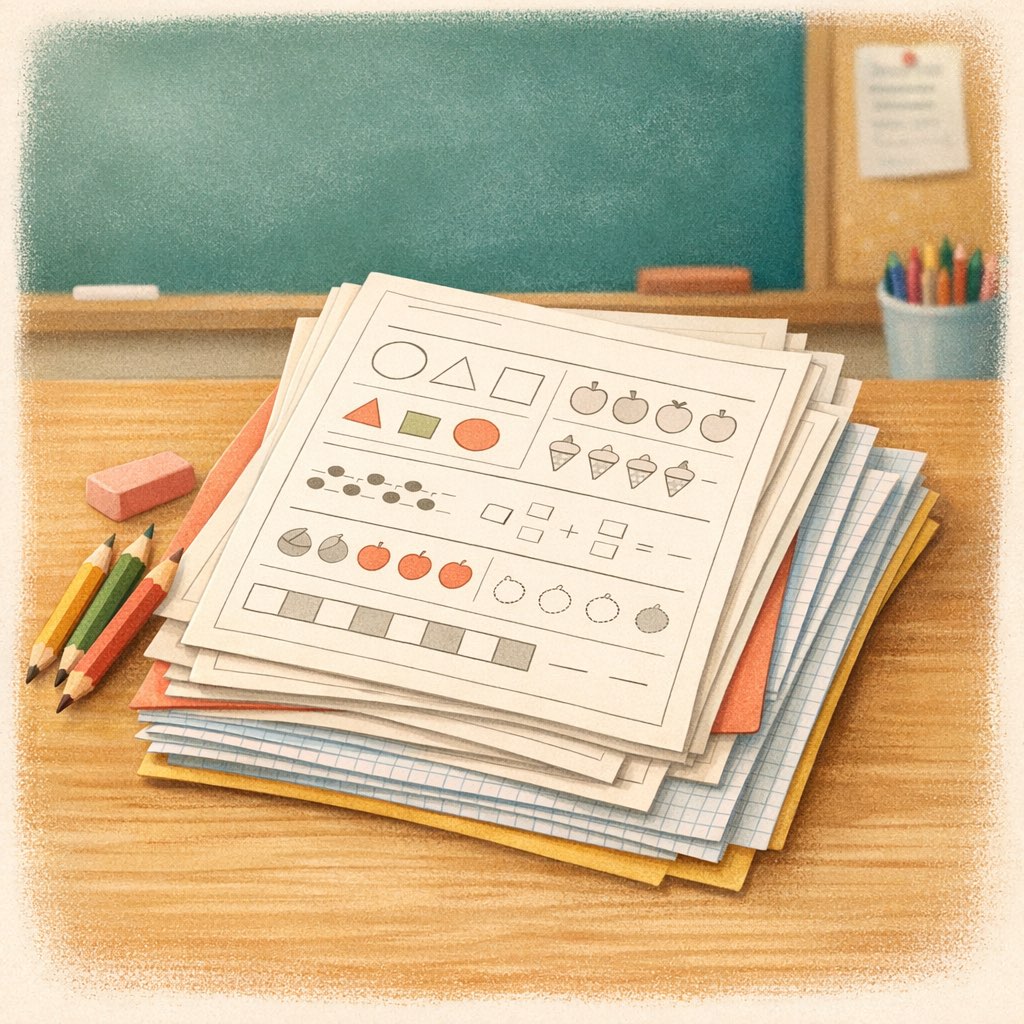
Printable beginner worksheets, pencils, and graph paper stacked for practice.
Worksheets · Article

Free Math Worksheets for Beginners

A beginner-friendly collection of worksheet ideas focused on steady practice rather than overload.
Multiplication worksheets, flashcards, and a ruler ready for focused review.
Worksheets · Article

Printable Multiplication Practice Sheets

Use targeted practice sheets to revisit multiplication facts, patterns, and mixed recall.
Kid-friendly math pages with counters, shapes, and pencils in a bright learning setup.
Worksheets · Article

Math Exercises for Kids Ages 6 to 10

Simple, age-appropriate practice ideas for early number work, shapes, and problem-solving habits.
A simple beginner practice checklist with worksheets, a pencil case, and a cup of tea.
Worksheets · Article

Daily Math Practice Routine for Beginners

A short daily plan that balances review, a new skill, and one confidence-building success.
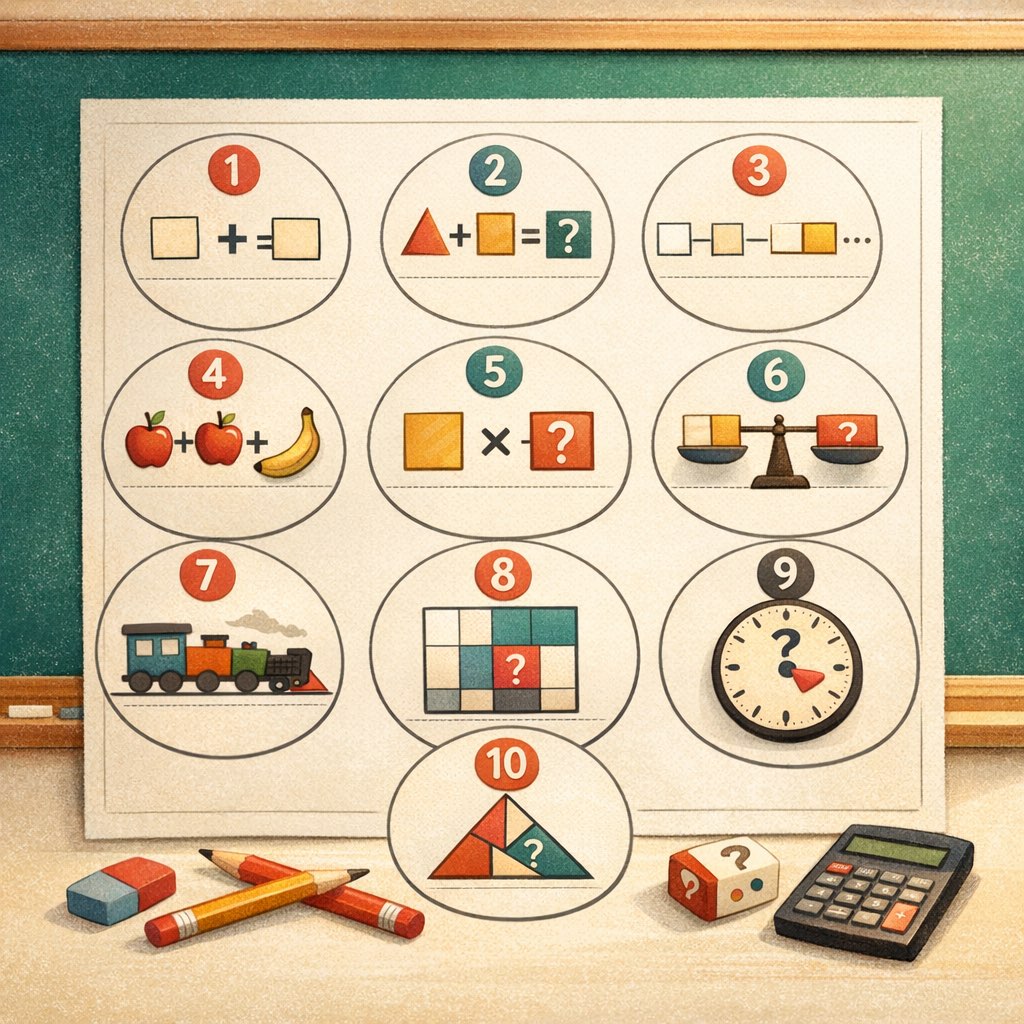
A challenge worksheet with numbered circles, pencils, and puzzle-style math prompts.
Worksheets · Article

10 Math Problems to Test Your Skills

A mixed set of questions that helps students check understanding across several common topics.
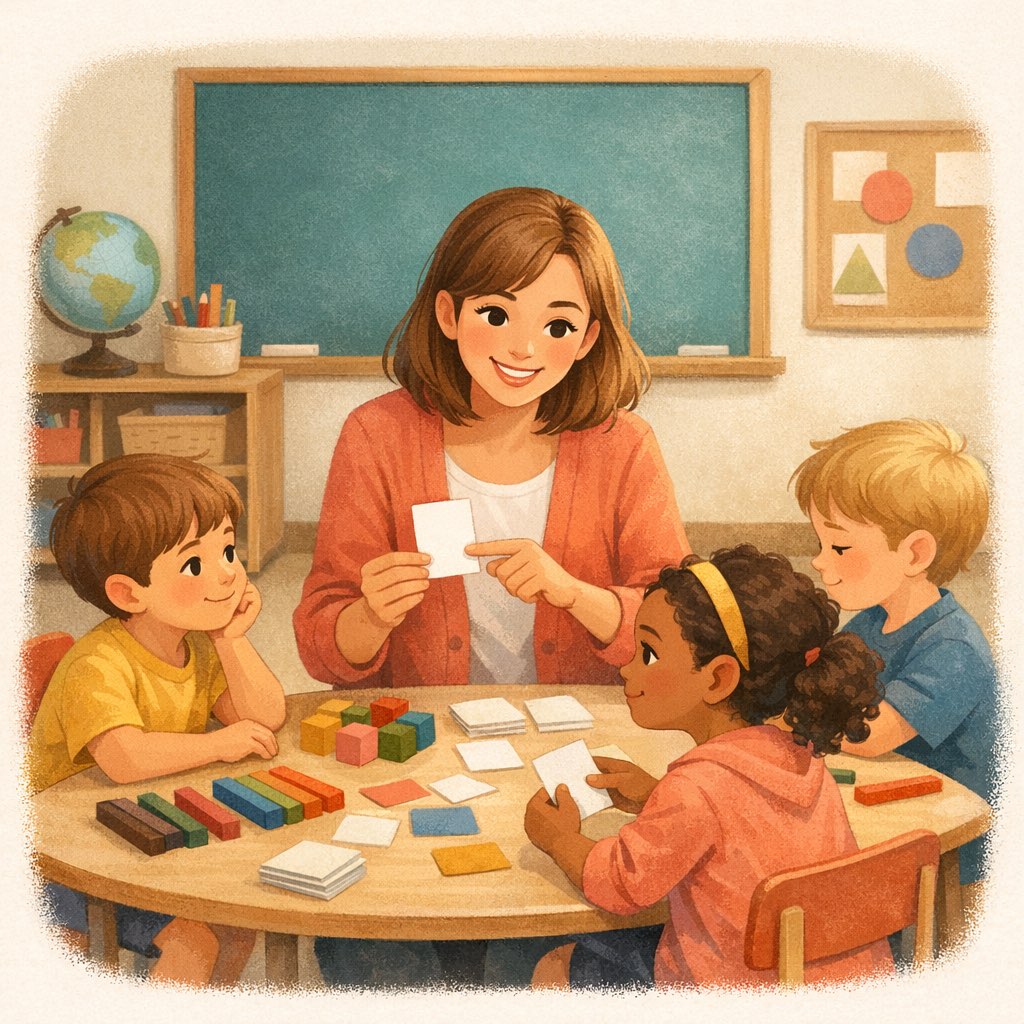
A teacher working with blocks and number cards at a small group math table.
Teaching Tips · Article

How to Teach Math to Kids Effectively

Focus on clarity, patience, examples, and steady routines that help children understand what they are doing.
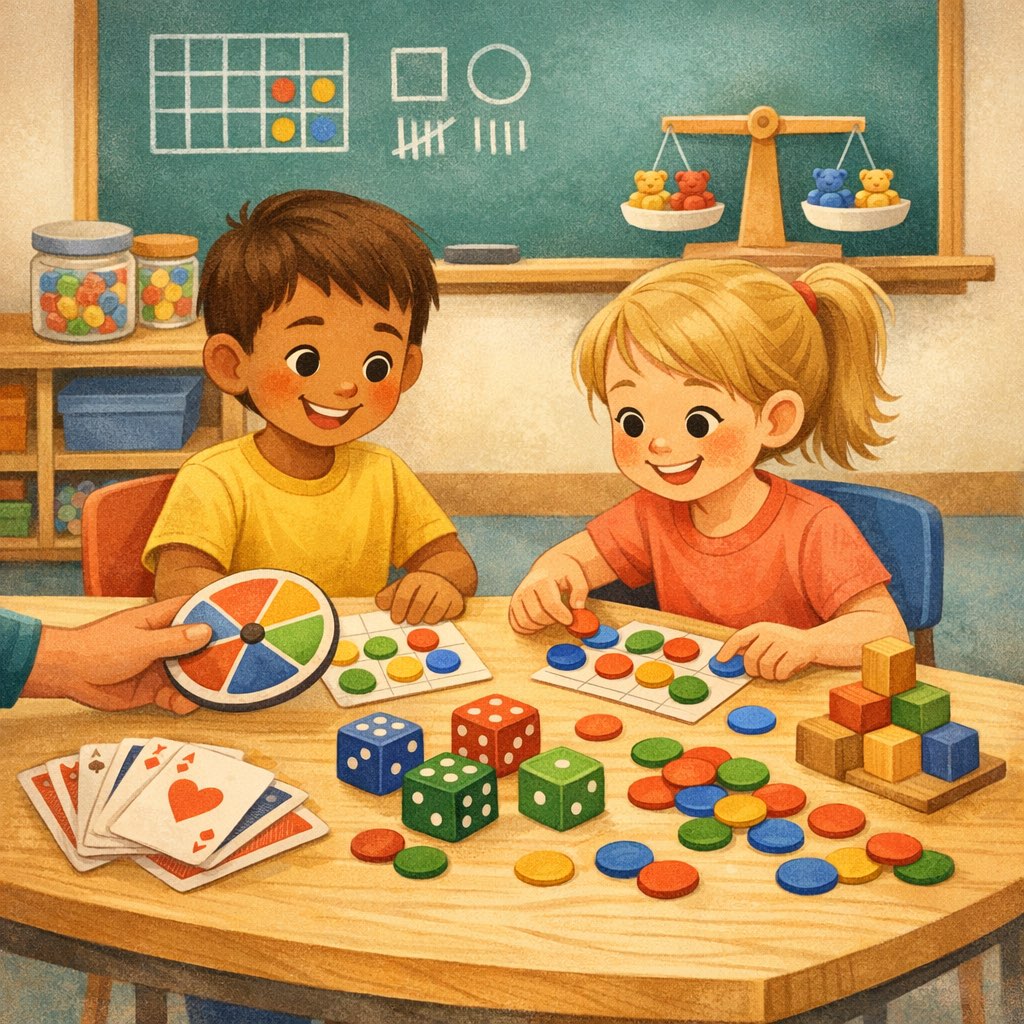
Dice, cards, colorful counters, and classroom activities that make math feel playful.
Teaching Tips · Article

Fun Ways to Make Math More Interesting

Use movement, games, visual models, and short challenges to bring more energy into math practice.
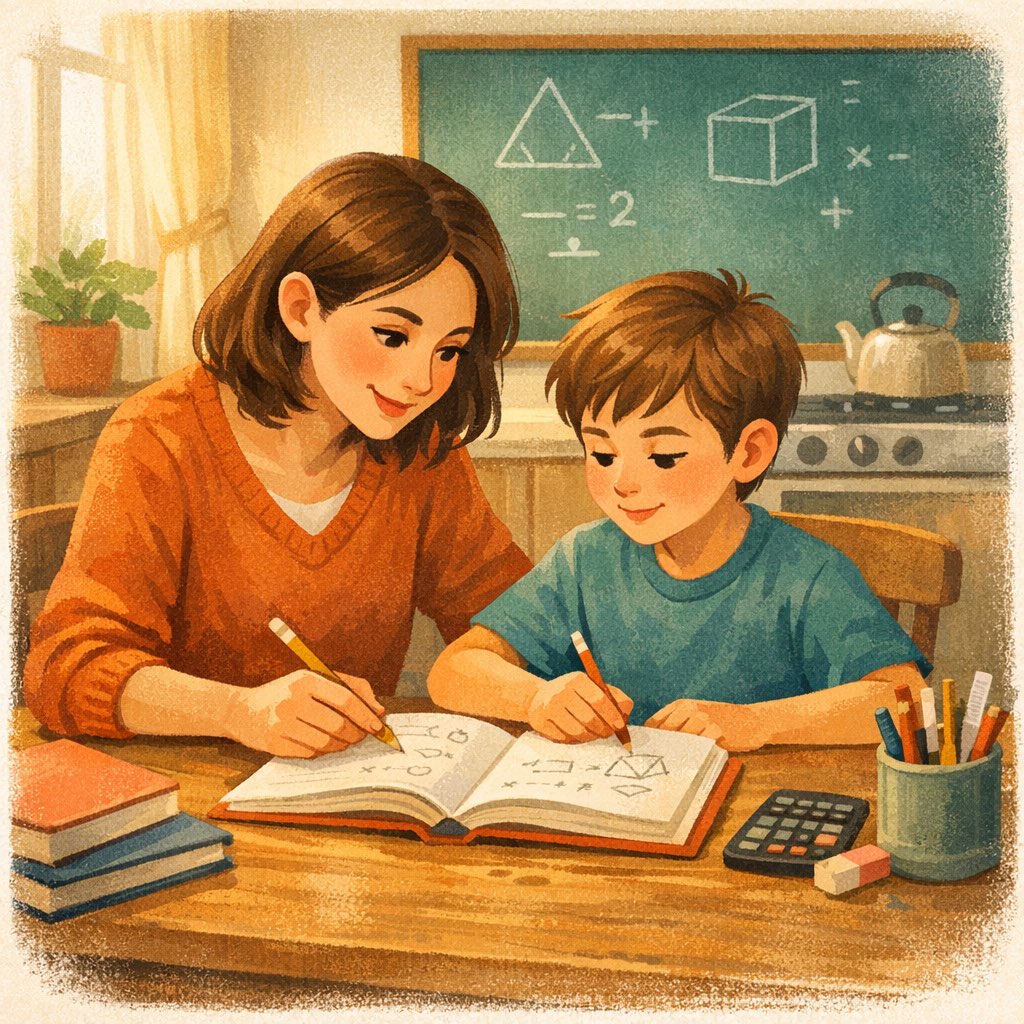
A parent and child reviewing math homework together at a warm kitchen table.
Teaching Tips · Article

How to Help Your Child With Math Homework

Support homework without taking over by asking better questions and focusing on the next clear step.
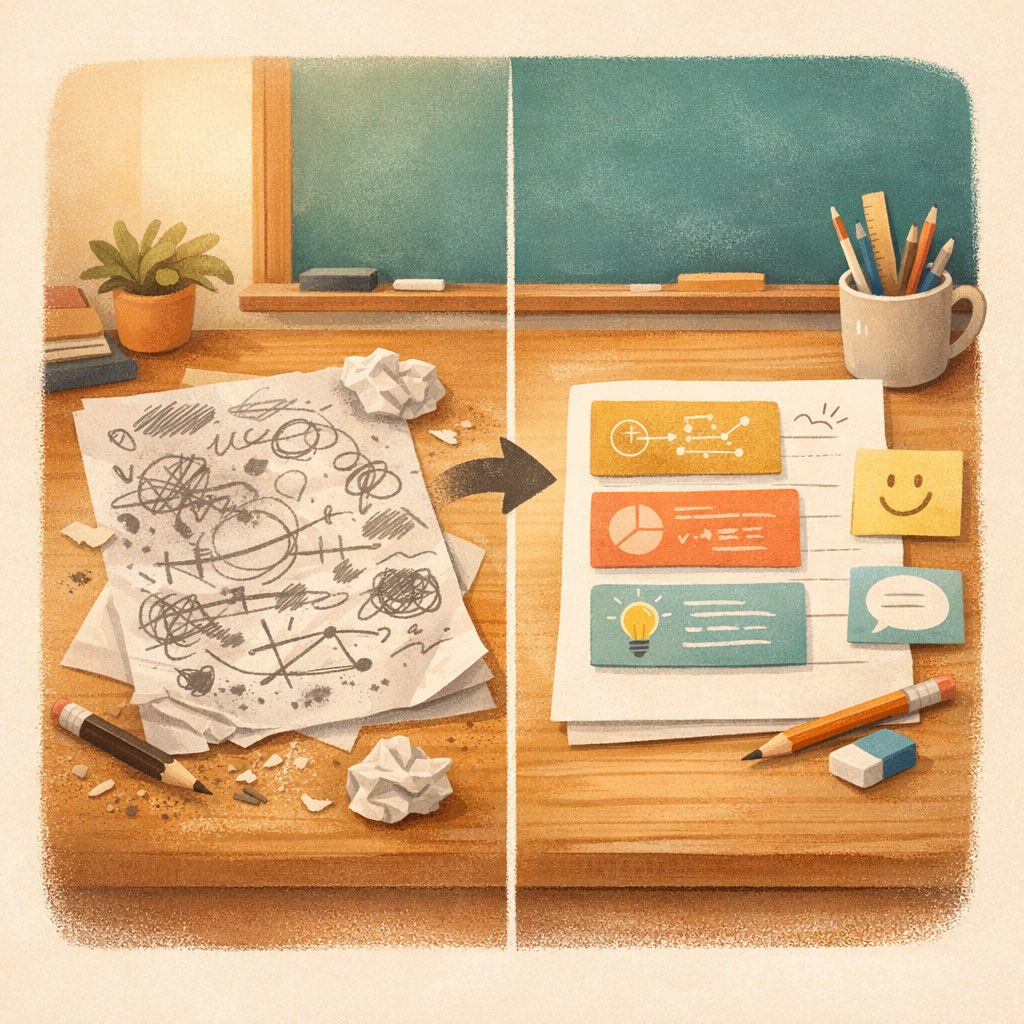
A stressed math page becoming clearer with step cards, notes, and supportive guidance.
Teaching Tips · Article

Why Math Feels Hard and How to Fix It

See how pace, language, and fragile foundations can make math feel harder than it needs to be.
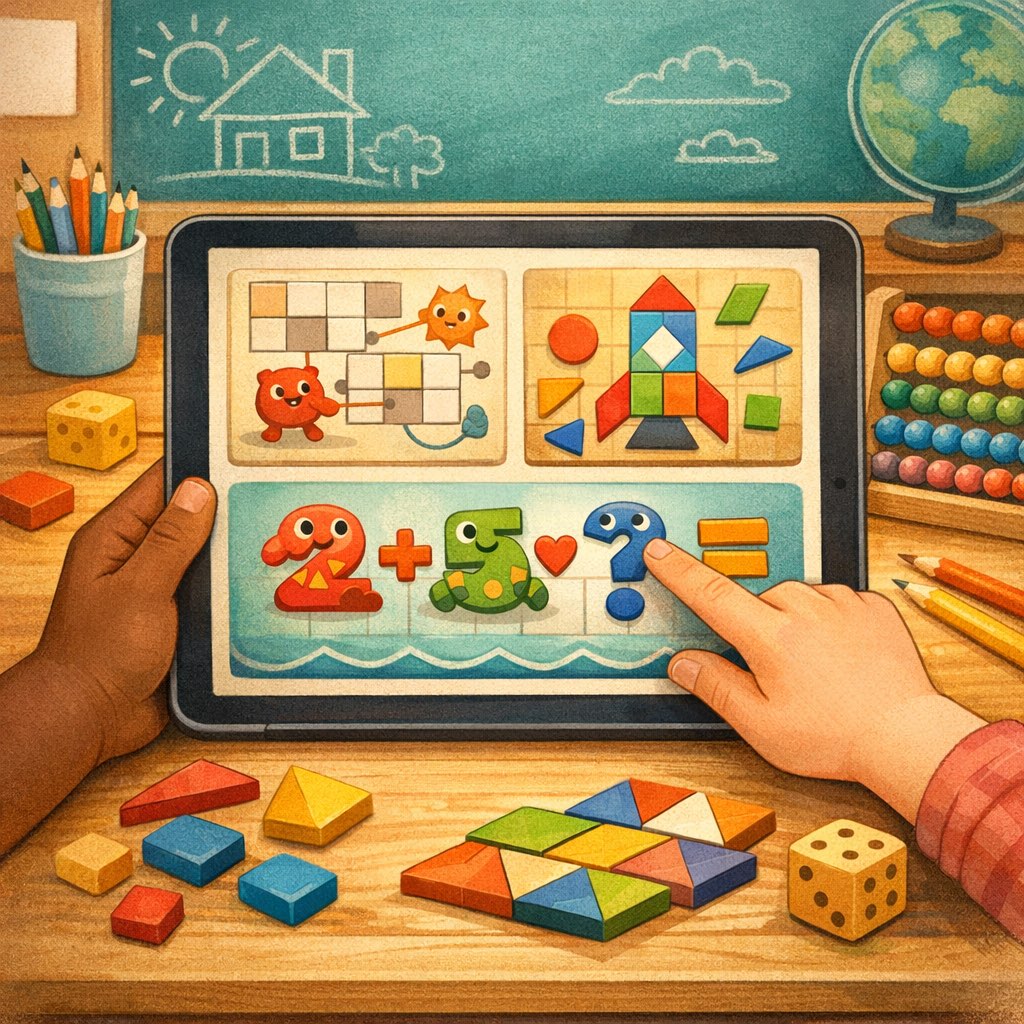
A tablet showing playful number puzzles and geometric math game tiles.
Math Games · Article

Best Online Math Games for Kids

Choose online math games that build real skills rather than only rewarding fast clicking.
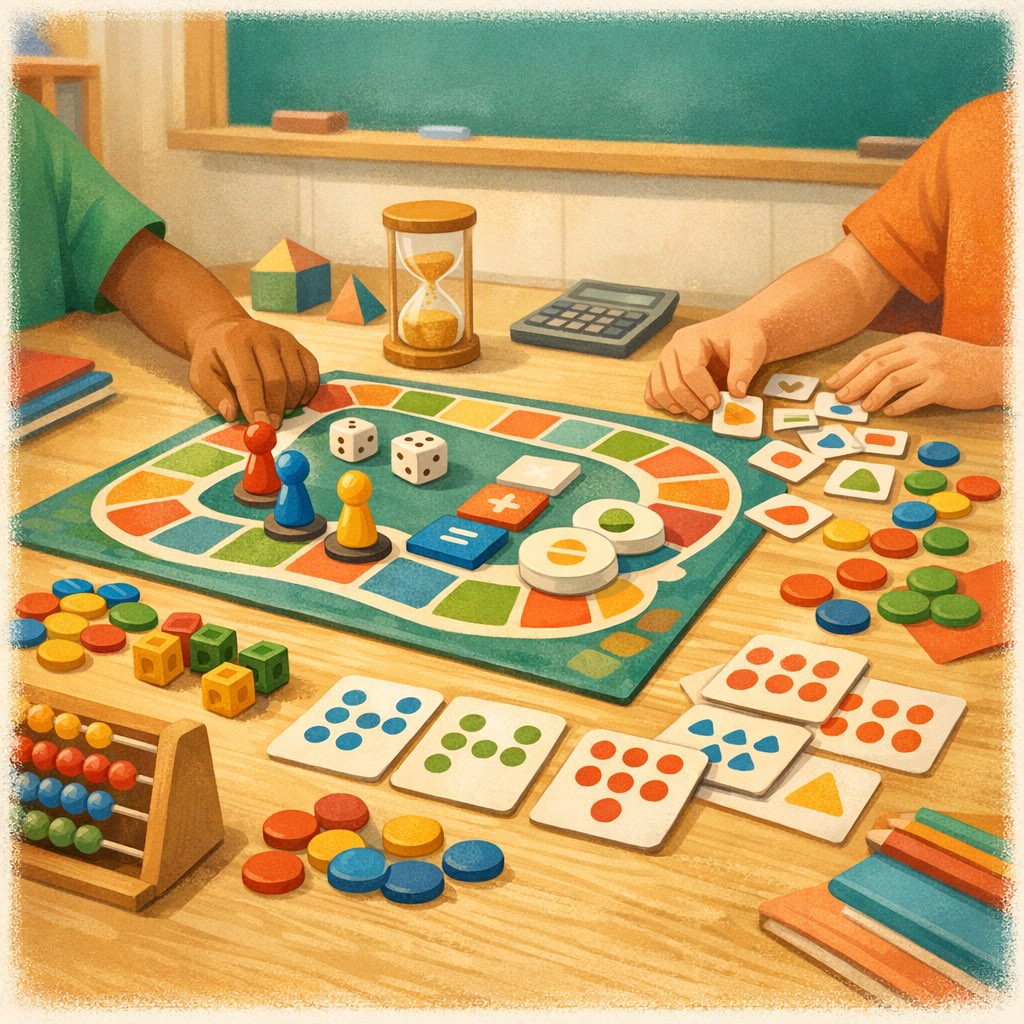
Board game pieces, number cards, and collaborative math play on a classroom table.
Math Games · Article

How Games Help Students Learn Math Faster

Explore how repetition, feedback, and motivation make well-chosen games useful learning tools.
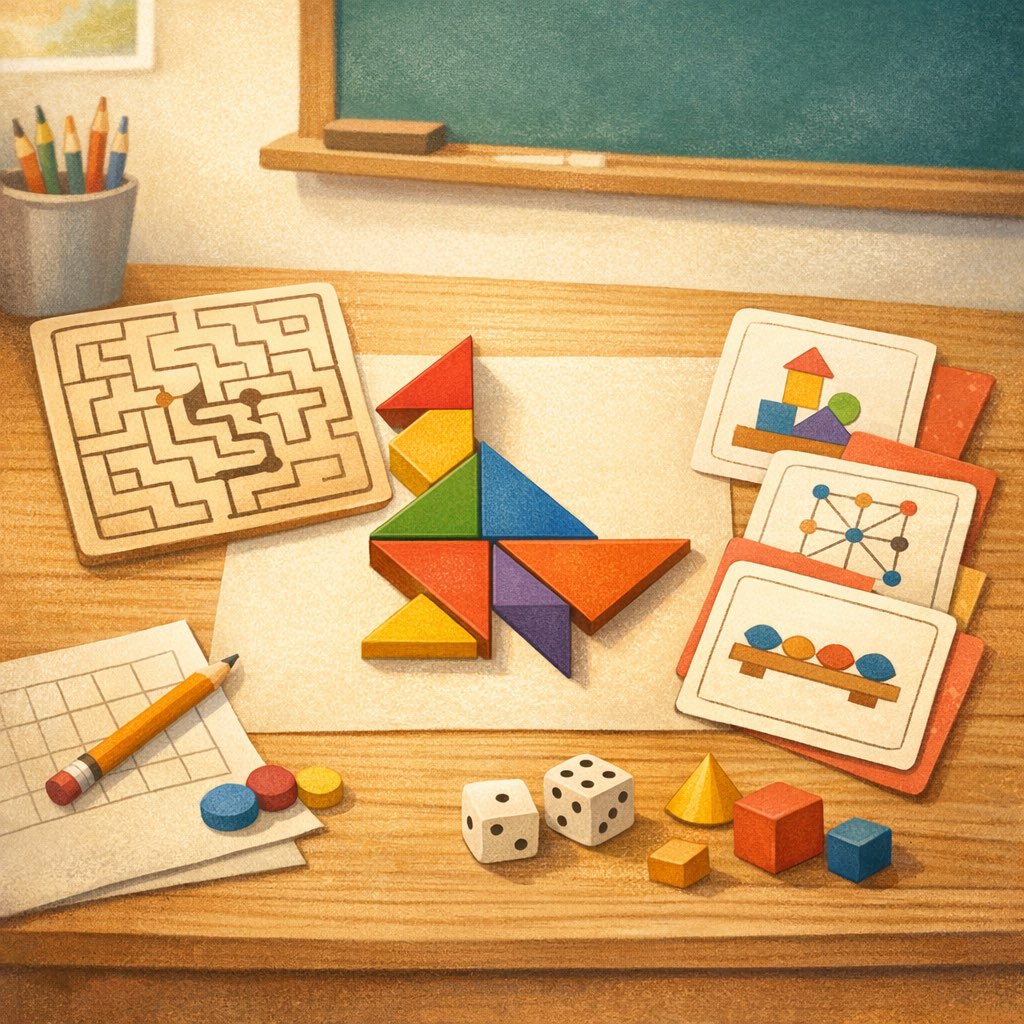
Tangram pieces, number mazes, and challenge cards laid out for a math activity.
Math Games · Article

Fun Math Challenges to Try Today

Try short challenges that encourage pattern spotting, reasoning, and playful mathematical thinking.