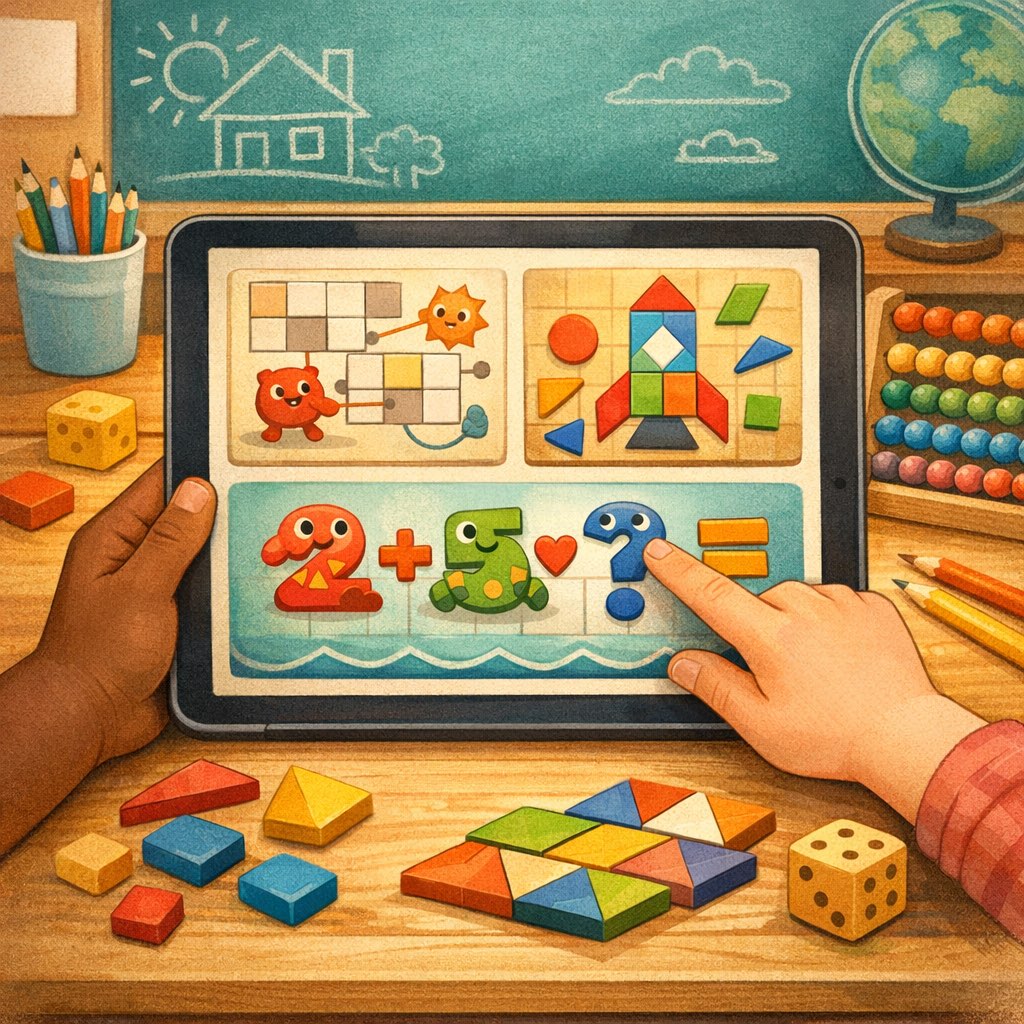
Best Online Math Games for Kids
Choose online math games that build real skills rather than only rewarding fast clicking.
Math Games
Explore how repetition, feedback, and motivation make well-chosen games useful learning tools.
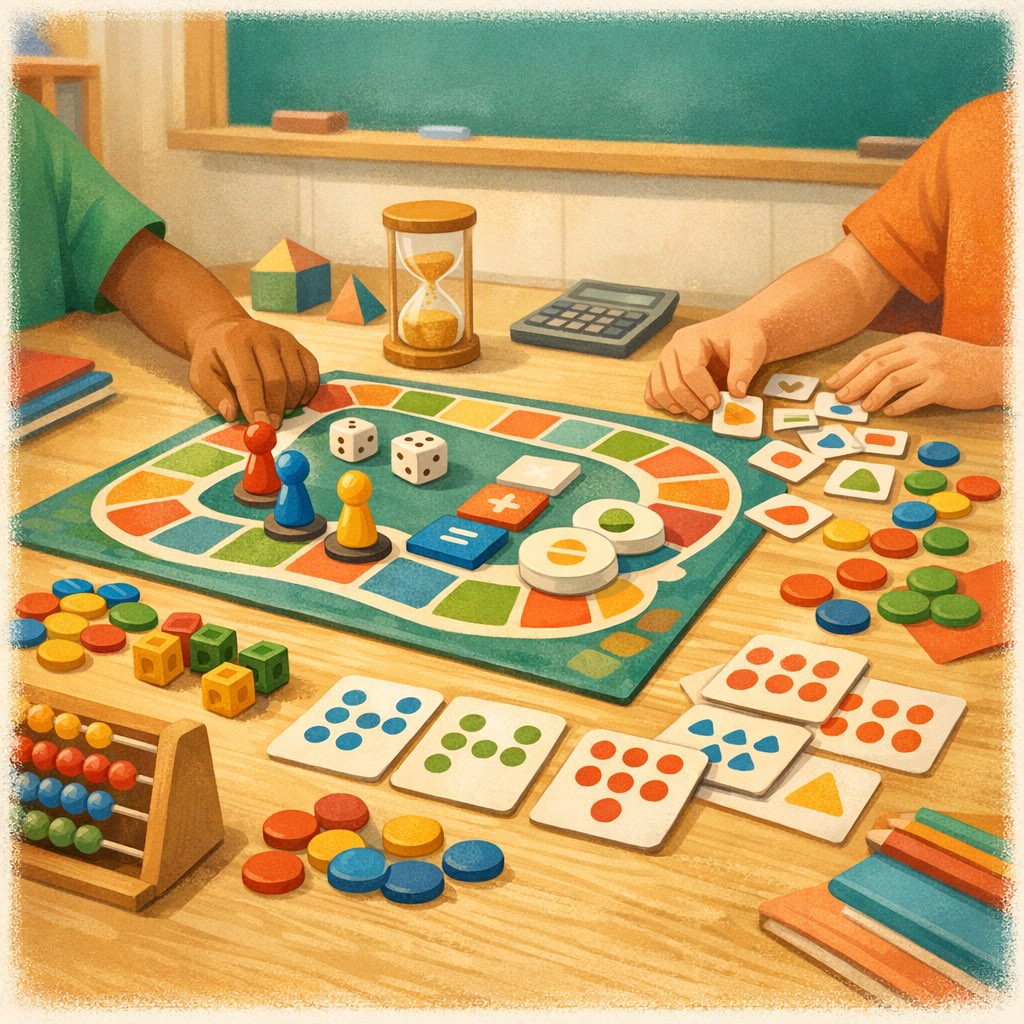
Games can help students learn math faster because they create repeated practice in a lower-pressure format. When games are chosen well, students get repetition, quick feedback, and a reason to stay engaged long enough for patterns to sink in. That combination can be very helpful for learners who shut down when practice feels too formal.
That combination of repetition and emotional safety is powerful, especially for students who tense up during ordinary drills. Games work best as purposeful practice, not as a replacement for all instruction.
If you are helping a child at home, use the examples in this guide as calm talking points rather than a script to rush through. The goal is to make the next step clear, lower pressure, and give your child language they can reuse independently.
That combination of repetition and emotional safety is powerful, especially for students who tense up during ordinary drills. Good games lower the emotional weight of practice. Students are often willing to repeat a skill many more times when it appears inside a challenge, puzzle, race against themselves, or playful goal.
That repeated contact is valuable because fluency grows through many small, successful encounters. A game can create those encounters without making the learner feel as if they are doing the same worksheet again and again.
A child may answer more multiplication questions inside a game than on a worksheet simply because the format feels lighter and more inviting. The strongest games still point clearly to the math. Students should be able to say what skill they are practicing, whether that is number bonds, multiplication facts, fractions, estimation, or logical reasoning.
Fast clicking is not the same as learning. A useful game asks the learner to notice a pattern, choose a strategy, or explain a result. Even when the pace is quick, the math should stay visible.
The improvement does not come from magic. It comes from more willing practice, faster feedback, and more chances to notice patterns. When that happens, the game supports learning instead of distracting from it.
After a game, ask one quick reflection question so the student connects the fun activity back to an actual math strategy.
Games still need limits. They are most helpful when they target a clear skill and stay short enough that attention remains on the math. Short sessions are usually enough. Ten focused minutes can be more helpful than a long stretch that turns into random clicking.
It also helps to talk briefly after the game. Ask, "What strategy helped you?" or "Which question type slowed you down?" That reflection turns a fun activity into a real learning moment and helps students transfer the skill back into other work.
One useful routine is warm-up, game, short discussion, and one transfer problem on paper or aloud. A balanced routine keeps the game connected to steady skill building.
This structure helps students enjoy the playful side of practice while still making progress that shows up in classwork, homework, and everyday problem solving.
Not every math game supports learning equally well. Some games look exciting but rely mostly on speed, animation, or luck. Others quietly do a much better job because they ask students to notice patterns, compare options, explain a choice, or try again after immediate feedback. When choosing playful practice, it helps to ask a very simple question: what math thinking will this activity encourage again and again?
That question keeps the focus on usefulness. A game can be bright, fast, and enjoyable, but the student should still leave with a stronger sense of number, strategy, or reasoning. The best games make the math visible. Learners know what they are practicing, why it matters, and how the same skill might show up in homework or classwork later.
One of the easiest ways to strengthen game-based learning is to talk for one minute afterward. Ask which pattern showed up most, which question type felt easy, or what strategy helped when the game became harder. That short conversation turns play into reflection without ruining the fun.
You can also protect the learning by setting one simple goal before the game begins. For example, you might say, "Today we are using this game to practice multiplication facts with good accuracy," or "Today we are looking for fast ways to compare fractions." That short sentence helps students notice the math inside the activity instead of remembering only the score or the reward animation.
That balance is what makes games genuinely helpful. They keep practice lively while still leading students back to the real mathematical habits that matter most. Over time, students learn that a fun format can still involve serious thinking.
When games are used thoughtfully, they can speed up learning by making good practice easier to repeat. For more ideas, read Best Online Math Games for Kids, Fun Math Challenges to Try Today, and Mental Math Tricks Everyone Should Know.
Choose online math games that build real skills rather than only rewarding fast clicking.
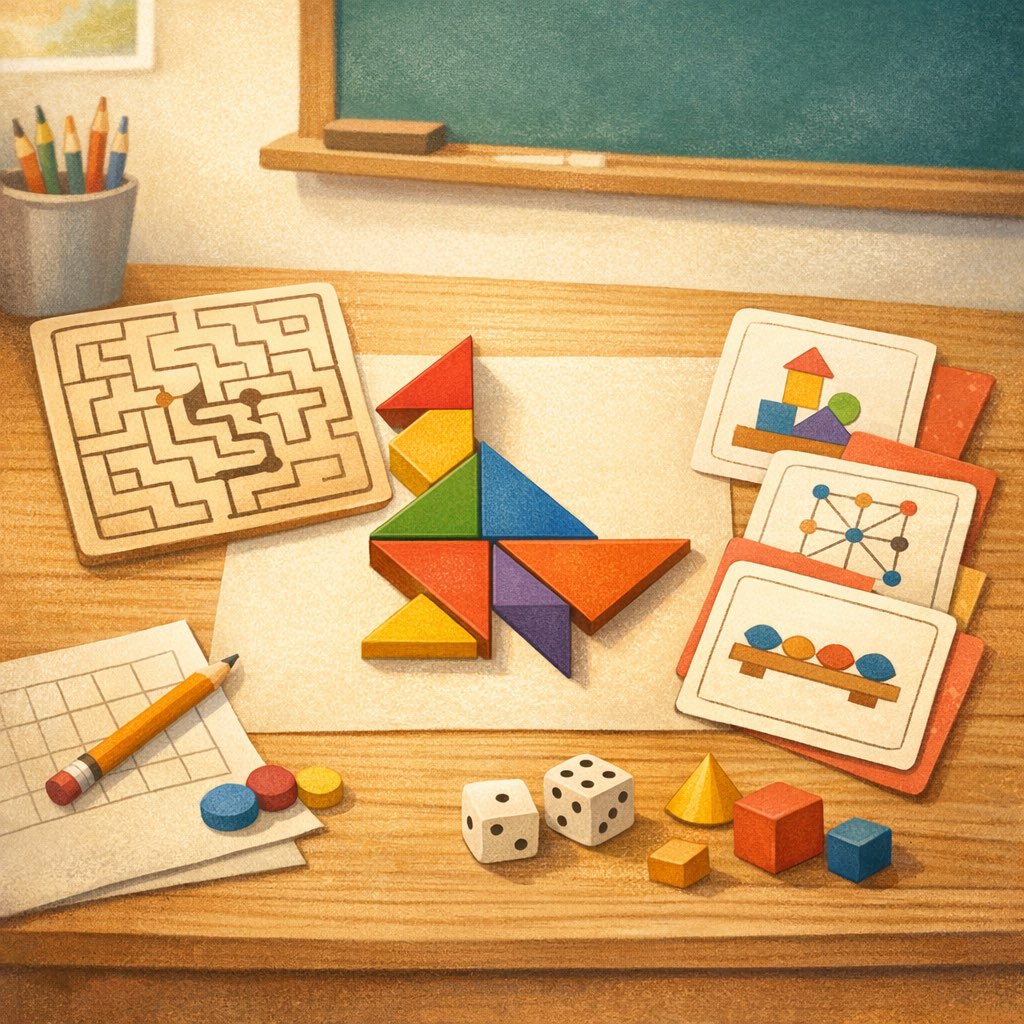
Try short challenges that encourage pattern spotting, reasoning, and playful mathematical thinking.
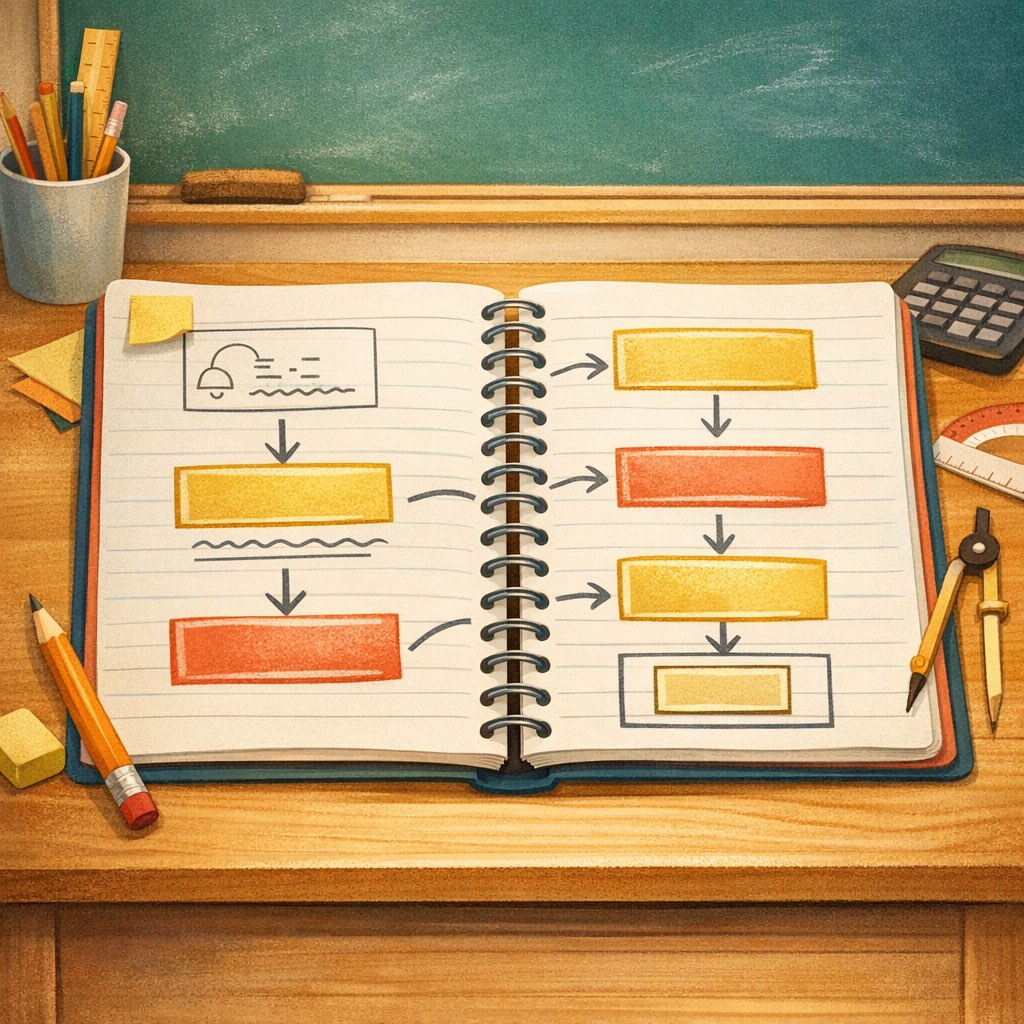
A calm problem-solving routine for reading carefully, planning a method, and checking your work properly.