
How to Teach Math to Kids Effectively
Focus on clarity, patience, examples, and steady routines that help children understand what they are doing.
Teaching Tips
See how pace, language, and fragile foundations can make math feel harder than it needs to be.
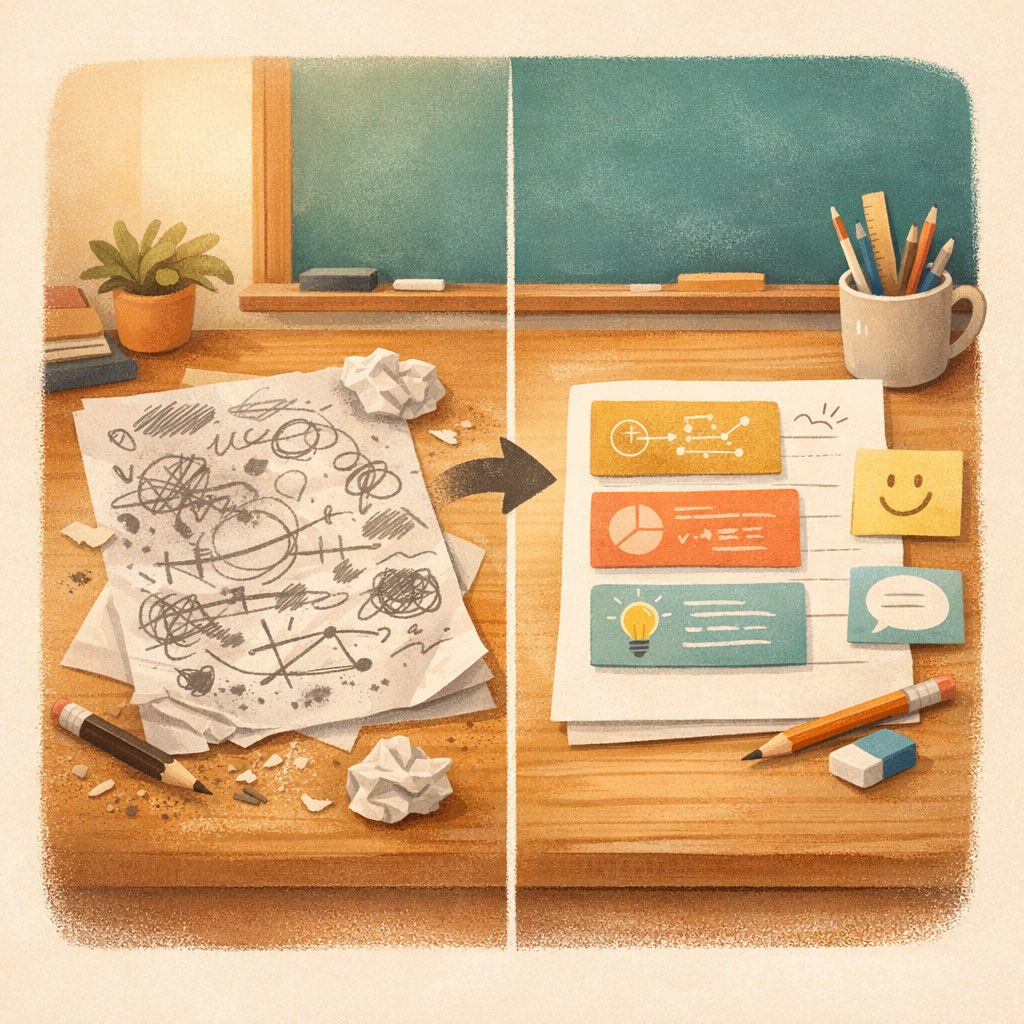
Math can feel hard for reasons that are very understandable: missing basics, confusing language, fast pacing, pressure, or repeated experiences of getting stuck. The aim is not to make every lesson entertaining every second. The aim is to help students feel safe enough to think, clear enough to follow the steps, and successful enough to keep going.
Once the source of the difficulty is clearer, the fix also becomes clearer and more realistic. When teaching is built around those goals, progress becomes much steadier.
If you are helping a child at home, use the examples in this guide as calm talking points rather than a script to rush through. The goal is to make the next step clear, lower pressure, and give your child language they can reuse independently.
Once the source of the difficulty is clearer, the fix also becomes clearer and more realistic. Students learn more when adults slow the lesson down enough for meaning to show up. Clear language, visible examples, and a chance to explain ideas out loud all help students understand rather than memorize blindly.
This is true in classrooms, at the kitchen table, and during homework support. Learners do not only need answers. They need structure. When adults know what to emphasize, lessons start to feel calmer and more productive.
A child who says fractions are impossible may actually be comfortable with the idea of parts, but confused by vocabulary such as numerator and denominator. A small shift in the adult's words can make a surprisingly big difference.
Useful questions include "Which part makes sense already?" "Where did it start to feel confusing?" and "Can we draw it first?" That kind of prompt keeps ownership with the student while still offering support. It also makes math discussion feel more like reasoning and less like guessing what the adult wants to hear.
Short examples, quick sketches, counters, number lines, and worked models are especially helpful when a child feels stuck. Visual support lowers the pressure and gives the learner a place to start, even when the symbolic method still feels shaky.
When math feels heavy, make the next step smaller. Smaller steps are often the fastest path back to confidence.
A common mistake is responding to difficulty with more pressure instead of better diagnosis and slower support. Adults often jump in because they want to prevent frustration, but taking over too quickly can accidentally teach students to wait for rescue instead of thinking through the next step.
Another problem appears when teaching becomes a long explanation without checking what the student already understands. It helps to pause often and ask the learner to point, say, show, or draw the idea back. That makes the lesson responsive instead of one-directional.
Math confidence grows when mistakes are discussed calmly. Students are much more willing to try again when they feel that errors are information, not a sign that they are failing.
A helpful fix starts by identifying one missing idea, teaching it clearly, practicing it in a short set, and celebrating the specific progress made. Consistency matters more than length.
That last step matters. Students who hear specific feedback such as "You checked the operation before starting" or "You explained the fraction picture clearly" are more likely to believe progress is real and repeat the habit next time.
Confidence in math grows when students experience the work as understandable and survivable. That does not mean lessons should become easy all the time. It means students need regular proof that effort leads somewhere. Small successes matter here. When a child sees that a confusing idea becomes clearer after a picture, a slower explanation, or two careful practice questions, the subject begins to feel less threatening.
Adults can support that feeling by noticing progress in concrete terms. Instead of general praise, point to a specific improvement: a clearer drawing, a better explanation, a calmer start, or a stronger check at the end. Specific feedback helps learners see that progress is made of skills and habits they can repeat. That is much more powerful than temporary encouragement with no clear direction behind it.
Students still need time to think. If adults solve every hard moment too quickly, learners miss the chance to build independence. A better approach is to reduce the pressure without removing the challenge. Offer a diagram, break the task into two smaller steps, or ask one guiding question. That kind of support keeps the student in the work instead of taking the work away.
Over time, that rhythm teaches students that difficulty is something they can move through. The lesson becomes less about being instantly correct and more about learning how to stay steady while understanding develops.
Math becomes less intimidating when students are given a path back into the work instead of only being told to try harder. For related reading, visit Why Students Struggle With Math, How to Help Your Child With Math Homework, and How to Teach Math to Kids Effectively.
Focus on clarity, patience, examples, and steady routines that help children understand what they are doing.
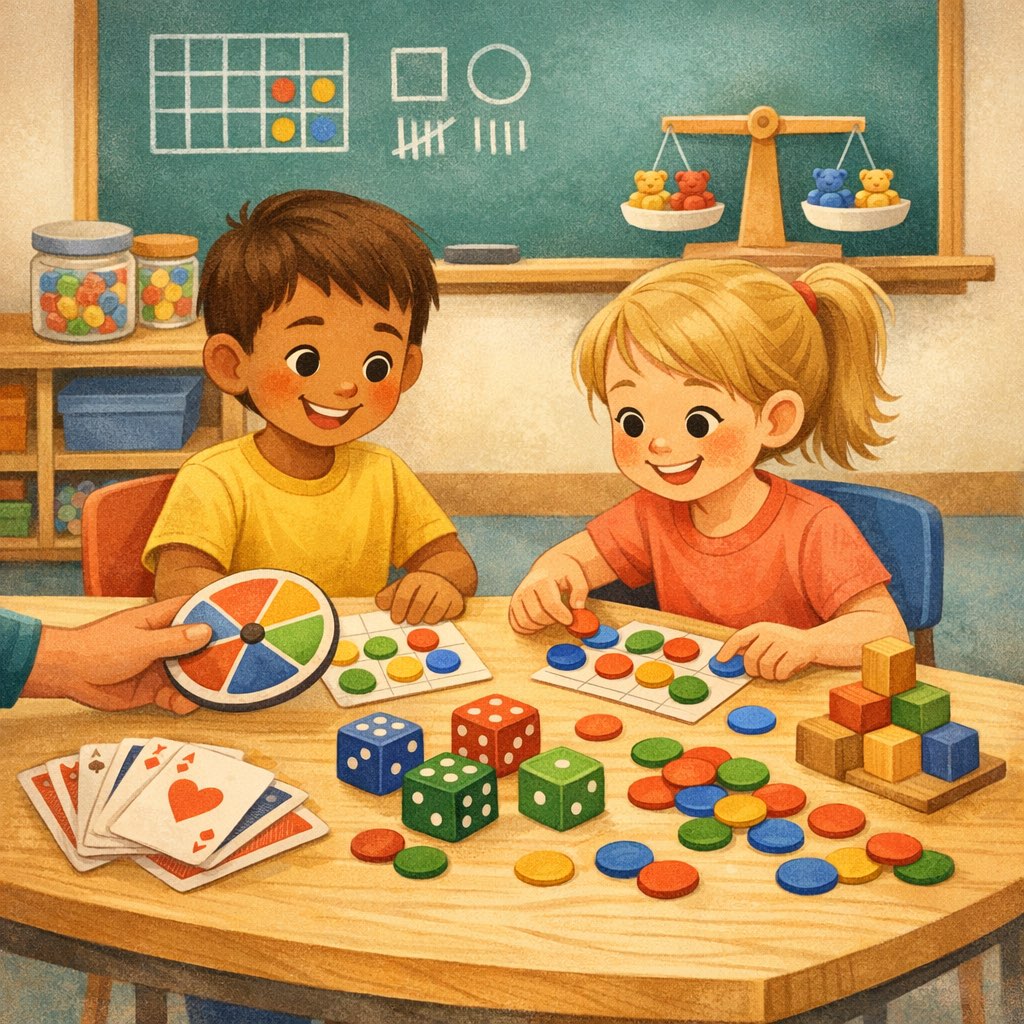
Use movement, games, visual models, and short challenges to bring more energy into math practice.
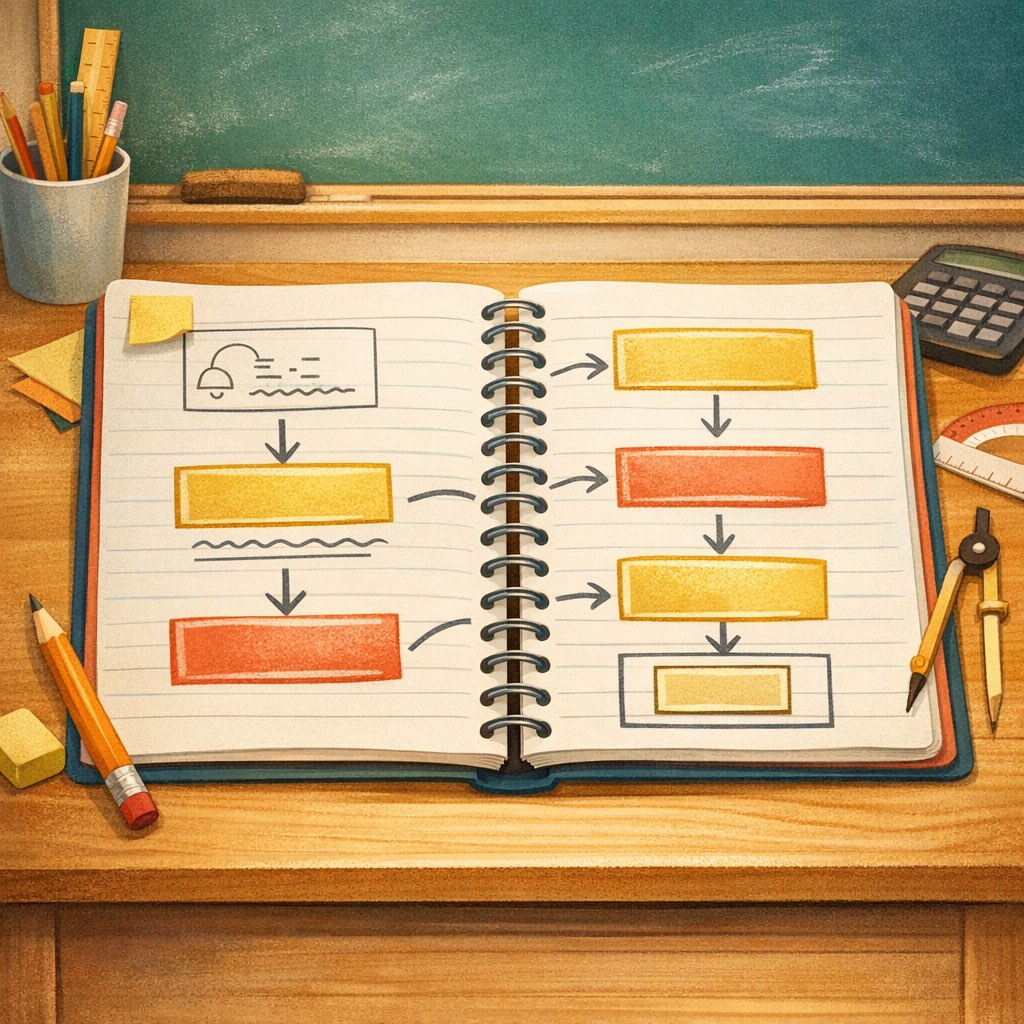
A calm problem-solving routine for reading carefully, planning a method, and checking your work properly.